
Georgia Travel Checklist 2026: What to Know Before You Go
Visa rules, the new mandatory insurance law, SIM cards, cash vs cards. A practical pre-trip checklist for first-time visitors to Georgia.
Georgia Travel Checklist: What to Sort Out Before You Land
Most nationalities don't need a visa for Georgia, but as of 2026 every foreign visitor needs travel insurance, visa or no visa. Here's what to have ready before you board your flight, so you're not dealing with paperwork at the border.
Visa and Entry Requirements
Citizens of the EU, UK, US, Canada, Australia, Japan, and most other countries can enter Georgia visa-free for up to 365 consecutive days. Rules vary slightly by nationality, so it's worth a quick check on geoconsul.gov.ge if you're unsure where you stand. See our visa guide for details.
Before you fly, confirm:
- Your passport is valid for at least 90 days from your entry date
- Children travel on their own passport, not added to a parent's
- If your country isn't on the visa-free list, you'll need an e-Visa through evisa.gov.ge. It's processed online in a few days and typically costs $20-40
If you're planning to stay longer than the visa-free period or want to apply for residency, that's a separate process through Georgia's Public Service Hall in Tbilisi. Visa-free status alone won't cover a long-term stay.
The New Mandatory Insurance Rule
This is the change that catches people off guard in 2026: since January 1, every foreign tourist entering Georgia must carry valid health and accident insurance. It doesn't matter whether you needed a visa to enter or not, the rule applies regardless of nationality.
What your policy needs to cover:
- Minimum coverage of 30,000 GEL (roughly $11,000)
- Issued in English or Georgian, paper or digital format both work
- Valid for your entire stay, arrival date through departure date
- Border officers can ask to see it on entry by air, land, or sea
The rule doesn't apply to Georgian citizens or anyone holding a Georgian residence permit, since the law only covers tourists. See our health insurance guide for full requirements. Everyone else should buy a policy before departure. Insurance purchased after you've already landed generally won't satisfy the border requirement.
Cash and Cards
The local currency is the Georgian lari (GEL). Cards work almost everywhere in Tbilisi, Batumi, and other major towns, including taxis and small cafes. You'll want cash on hand for:
- small shops and markets outside the main cities
- marshrutkas (shared minivans)
- mountain villages where card terminals are rare or nonexistent
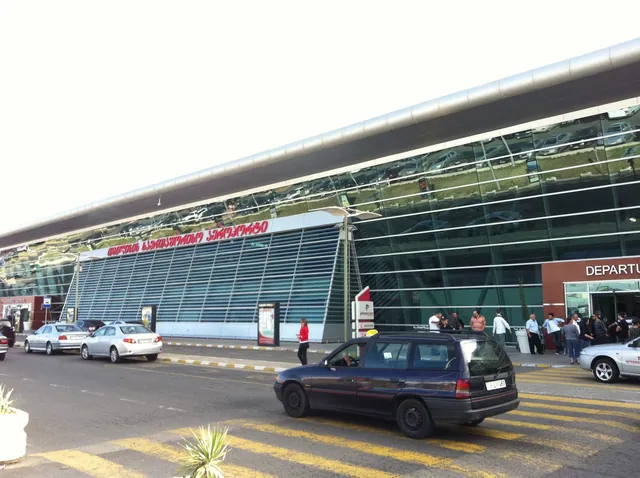
ATMs are easy to find in any decent-sized town, including at the airport on arrival. Withdrawal fees on the Georgian side are usually low or nonexistent, but check with your home bank before you go.
Getting Connected
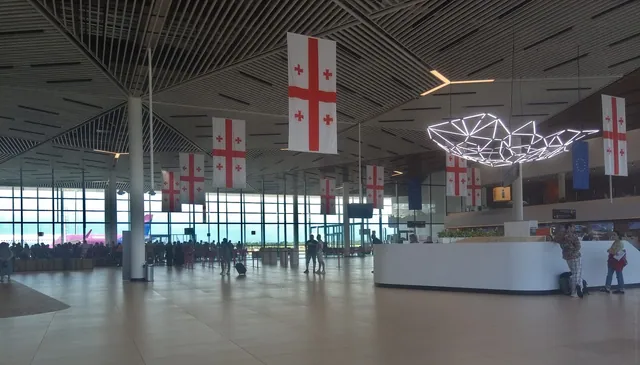
Three carriers cover the country: Magti, Silknet, and Cellfie. All three sell tourist SIM cards at arrival kiosks in Tbilisi, Batumi, and Kutaisi airports, open around the clock. You'll need your passport to register, no exceptions.
A 15-day tourist package with a few gigabytes of data runs $5-12 at the airport. City stores usually charge less for the same package, sometimes half the price.
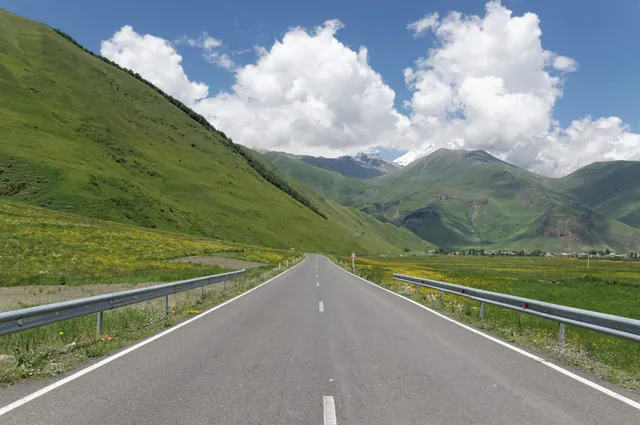
For coverage, Magti holds up best in the mountains and on remote routes, Silknet performs about as well in cities and the popular tourist areas, and Cellfie is the cheapest option but weaker once you're outside the major cities. If Svaneti, Tusheti, or the road to Kazbegi are on your itinerary, go with Magti or Silknet. More in our SIM card guide.
Health and Safety
112 is the single emergency number for police, ambulance, and fire, covering the whole country. Operators speak Georgian, Russian, and English, and the line works even with no SIM card inserted or a zero balance. Worth saving in your phone before you land.
Tap water in Tbilisi and most major cities is safe to drink, it comes straight from mountain springs. In smaller villages, bottled water is the safer bet.
Pharmacies keep late hours, and larger cities have 24-hour options. Look for the sign "აფთიაქი" (aptiaqi).
Power Outlets and Small Practical Details
Georgian outlets use the European type C and F standard, running on 220V at 50Hz. If you're coming from the US, UK, or Australia, bring an adapter, the plug shape and voltage won't match your devices otherwise.
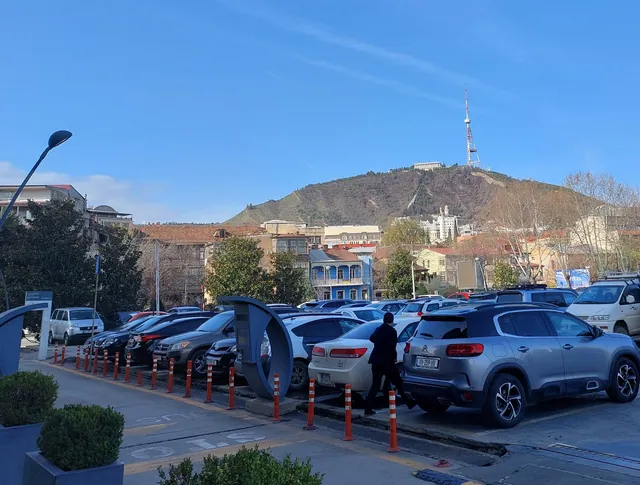
Traffic drives on the right. If you're bringing your own foreign-plated vehicle into the country, note the separate rule for that: it can stay in Georgia for up to 90 days before you need to either leave or register it locally.
What to Pack
This depends on the season and where you're headed, but a few things apply almost every trip:
- Comfortable shoes for cobblestones in Old Tbilisi and for mountain trails
- An extra layer if you're heading into the mountains: the temperature gap between Tbilisi and Gudauri or Kazbegi can hit 10-15°C even in summer
- A copy of your insurance policy saved on your phone, plus a printed copy kept separate from your original documents
Before You Go
Two things on this list actually can't wait until you land: a passport with enough validity left, and insurance covering at least 30,000 GEL, bought before departure. Everything else sorts itself out in your first half hour in the country, a SIM card at the arrival kiosk, cash from the airport ATM. Get the documents and insurance settled ahead of time, and the border crossing is a non-event.