
Mountain Road Trip Checklist for Georgia (Car Edition)
What to check before driving into Georgia's mountains: pass closures, tires and chains, what to pack, and altitude basics.
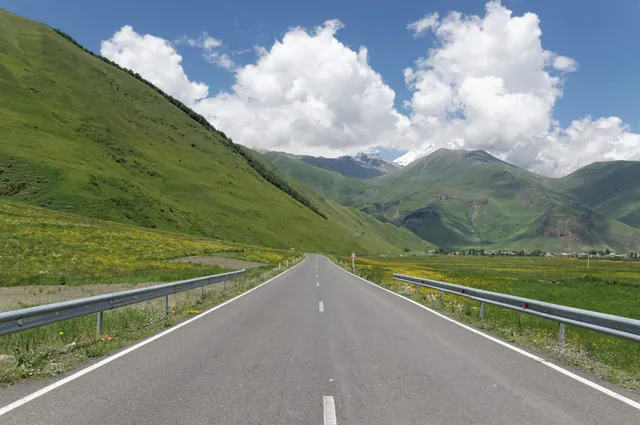
Mountain Road Trip Checklist: What to Check Before Driving Into Georgia's Mountains
Before driving to Kazbegi, Bakuriani, Racha, or Svaneti, check five things: the pass conditions for that specific road, the car itself, your cold-weather gear, whether you need chains, and the latest road department update. Here's the full list for anyone doing this drive for the first time.
Passes and Closures: Where the Road Can Actually Shut Down
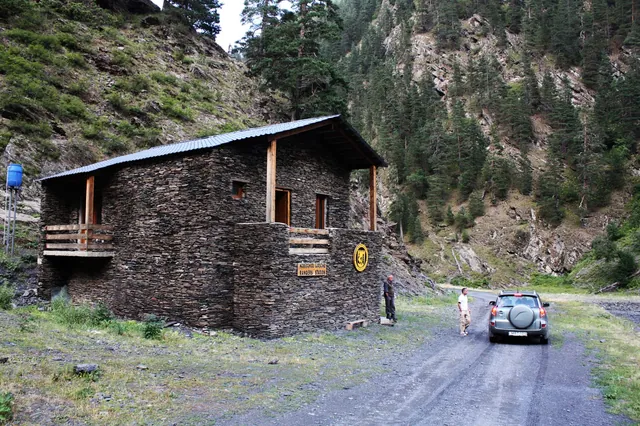
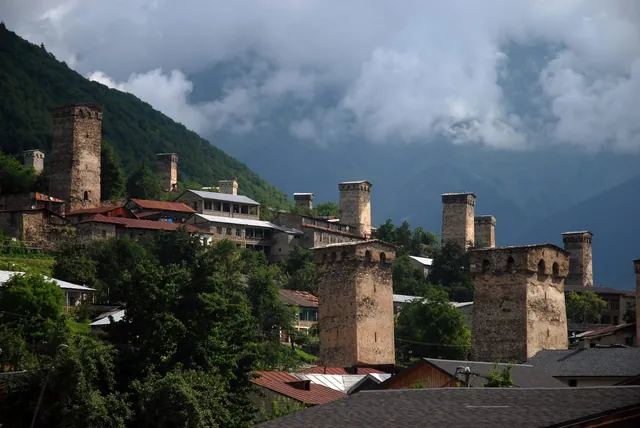
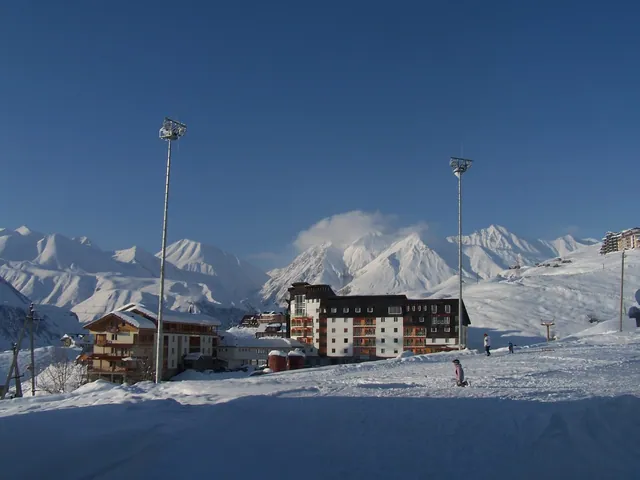
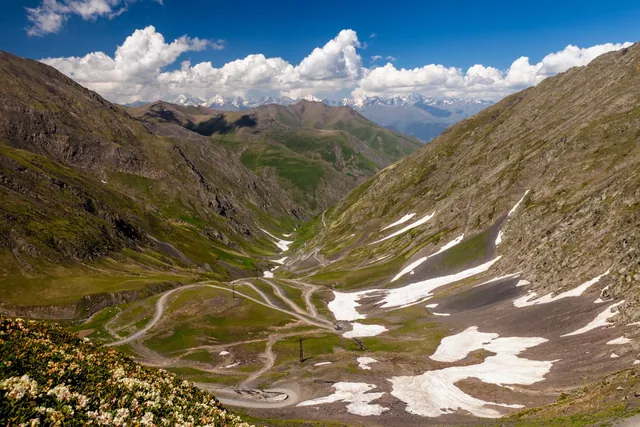
Each mountain region has its own weak point, and it's not the same one everywhere. On the Georgian Military Highway, that's the Jvari Pass (also called Krestovy Pass) between Gudauri and Kobi, sitting at 2,379 meters (7,805 feet). Snow covers it from October to May, and heavy snowfall or avalanche risk can shut it down for a few hours or occasionally longer. On the way to Racha, closures happen at Nakerala Pass between Tkibuli and Ambrolauri: it's been closed to trucks several winters running, and to all traffic during the heaviest storms. In Svaneti, the weak link is the stretch from Jvari toward Ushguli, higher and less well paved than the main road into Mestia, which is why restrictions land there more often than anywhere else on that route.
The road to Bakuriani via Khashuri and Borjomi sits at a lower elevation and rarely closes, making it the most predictable of the four. Driving yourself means you can actually react to the day's conditions: leave an hour later, take a different village route around a closure, or push the trip back a day, none of which a fixed-schedule taxi or marshrutka lets you do.
Before heading out, check the latest updates from Georgia's Road Department (facebook.com/georoad.ge). They post pass-specific restrictions faster than the hotline responds.
The Car and Winter Gear
Winter tires are officially recommended and, in practice, expected from November through March, not a box-ticking formality. If you're booking a car for winter, confirm with the rental company that the tires are already swapped for the season rather than assuming it.
Mountain roads get cleared and salted regularly, and winter tires alone are usually enough without chains. Carry chains as a backup for a sudden snowfall rather than treating them as required gear: they're sold and sometimes rented at auto shops in Tbilisi, and you'd only need to put them on if the road is genuinely icy or a checkpoint at a rough stretch tells you to.
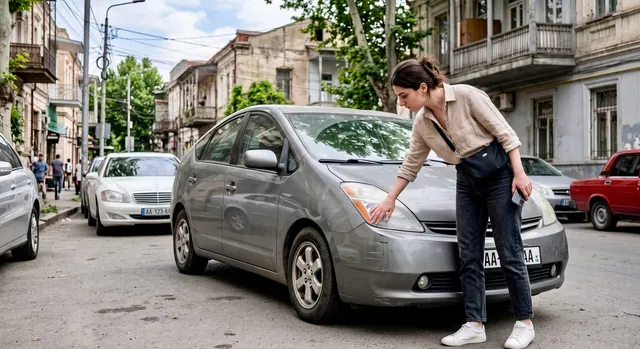
At pickup, regardless of where you're headed, check:
- tire tread and whether it matches the season
- a properly inflated spare and a working jack
- headlights, turn signals, and wipers
- brakes and steering on the first quiet street
- whether the tank has gas or diesel
Five minutes of checking at pickup saves a longer argument at drop-off.
What to Pack
Bring your license and passport with the entry stamp. An International Driving Permit isn't required but helps if your license isn't in Latin or Cyrillic script. Pack layers even for a short winter stop in the mountains: the temperature drop from Tbilisi can hit 10–15°C (18–27°F), and it's colder and windier still at the pass itself.
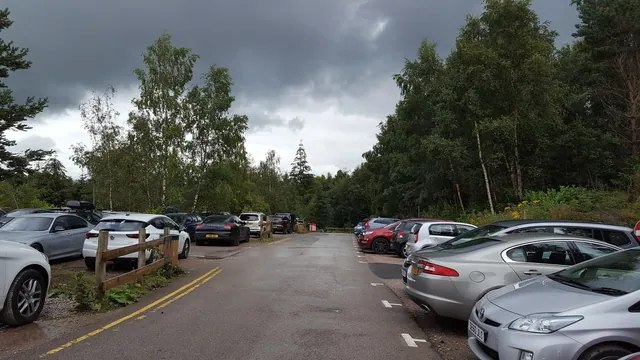
Small bills in lari cover the informal parking spots near viewpoints and monasteries, where attendants ask for 2–5 GEL (under $2) and cards usually aren't an option. Gas stations can disappear for long stretches. On the Kazbegi road, there's nothing at all between Gudauri and Stepantsminda for 32 kilometers (20 miles), so fill up and grab water and snacks before that gap. Svaneti has a similar pattern: the last station is often an hour behind you by the time you reach the far end of the route. Download offline maps and charge a power bank too, signal near the passes is unreliable.
Altitude Basics
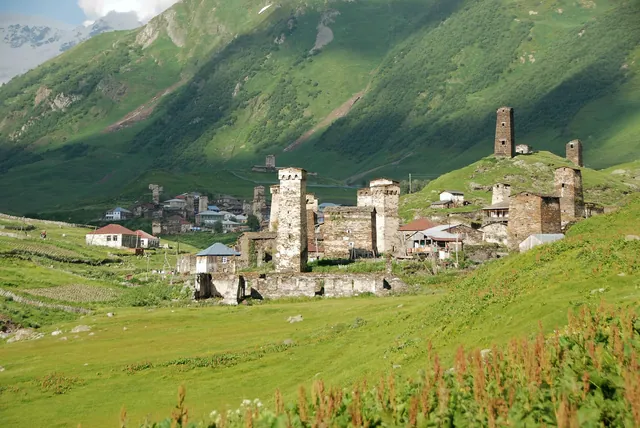
Mild altitude effects are possible even without any real exertion at elevations like the Jvari Pass, 2,379 meters: ears pop, and a slight headache isn't unusual. Ushguli in Svaneti sits at roughly 2,100 meters (6,900 feet) and is one of the highest permanently inhabited settlements in Europe, so the same effect can show up there for the same reason. Drink more water than usual, skip driving right after a heavy meal or drinks, and pull over if you start feeling off.
Before You Go
Check the pass conditions for your specific route on the day you leave, not a week ahead. Confirm winter tires if you're traveling between November and March, and keep chains in the trunk in case of a sudden snowfall, without overdoing it. Pack layers, small lari bills, and enough water for a long stretch without gas stations. With that covered, the drive into the mountains is just a drive, not a gamble.