
When to Visit Armenia: Seasons, Weather and Routes
The best time to visit Armenia: weather by season, swimming in Lake Sevan, skiing in Tsaghkadzor, the harvest in Areni, autumn in Dilijan and when mountain roads open.
The most comfortable time to visit Armenia is late May and June, then again September and early October. During those weeks Yerevan is spared the summer heat, the mountain roads are open, and in the Ararat Valley the harvest is either ripening or already in. People go to Lake Sevan to swim in July and August, and to Tsaghkadzor to ski from December to March.
The country is small, but its altitudes vary a lot. Yerevan sits at roughly 1,000 metres, Sevan at 1,900, Tsaghkadzor at around 1,800, and the road to Lake Kari on Mount Aragats climbs above 3,000. On the same July day the capital can hit +38 °C while the Sevan shore sits at +24 °C with a wind. It makes more sense to plan the weather stop by stop along your route than for the country as a whole.
Which month to pick: a quick cheat sheet
- Cities, monasteries and road trips without the heat: late May, June, September, early October.
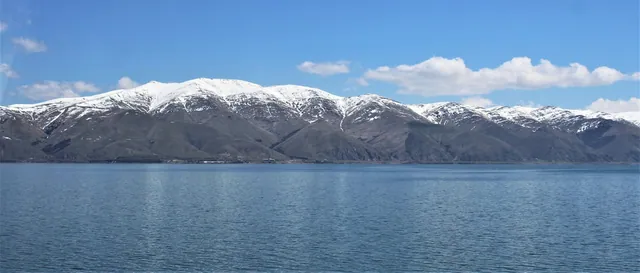
- Swimming in Lake Sevan: July and August, when the water warms to about +18…+20 °C.
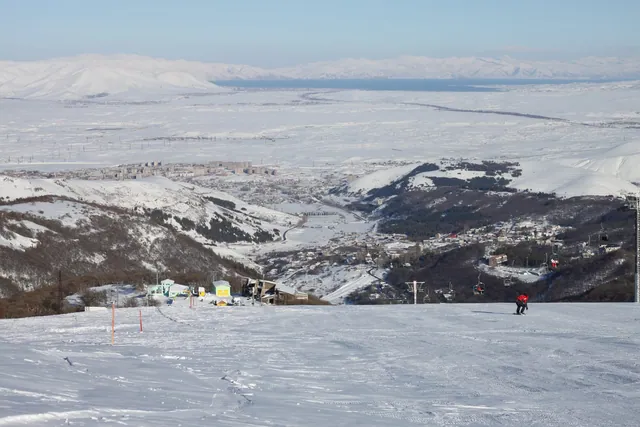
- Skiing in Tsaghkadzor: December to March, with the most reliable snow in January and February.
- Wine and the grape harvest: September and October, especially in Areni and Vayots Dzor.
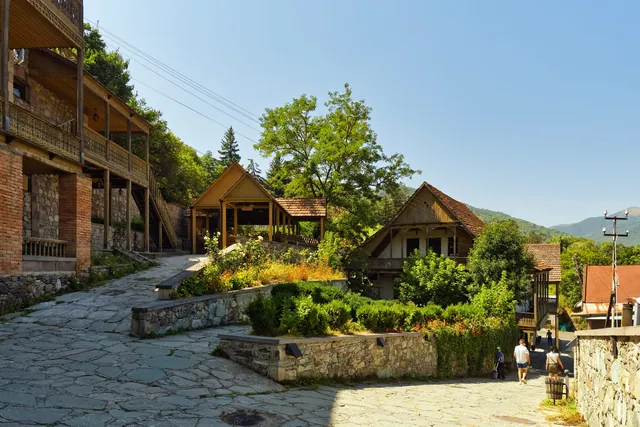
- Autumn colours in Dilijan: October.
- Green valleys and blossom: May.
- High mountain roads, Aragats, the passes to the south: June to September.
Spring: March, April, May
Spring in Armenia climbs from the bottom up. In April the apricot trees bloom in the Ararat Valley while snow still lies on the passes, and only an hour or an hour and a half of driving separates the two.
March and April
Daytime in Yerevan is +10…+18 °C, and the nights are cool. March is often windy and changeable, April is already milder. There are few tourists, and accommodation costs less than in summer.
What works at this time of year:
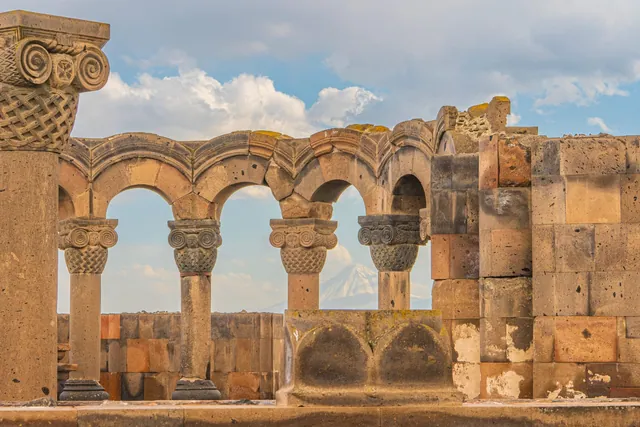
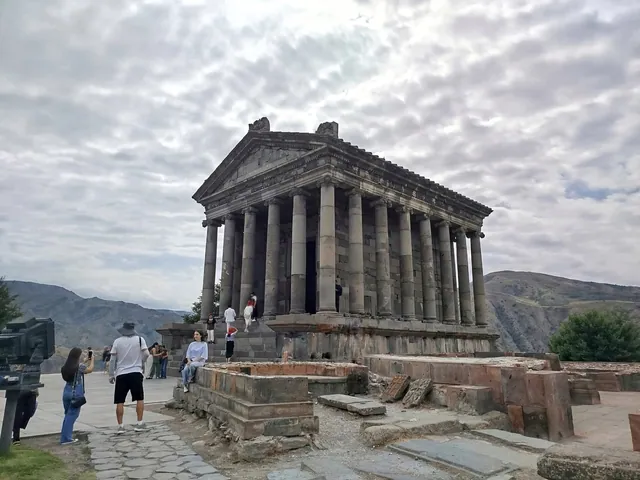
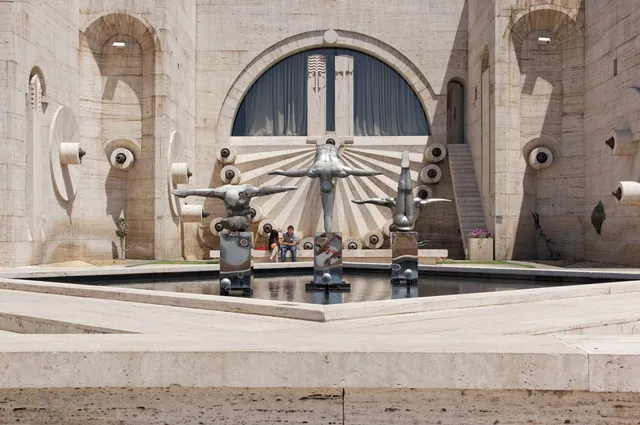
- Yerevan and around. Museums, the Cascade, markets. At open-air sites such as Garni and Zvartnots the sun isn't punishing yet, so you can walk around all day.
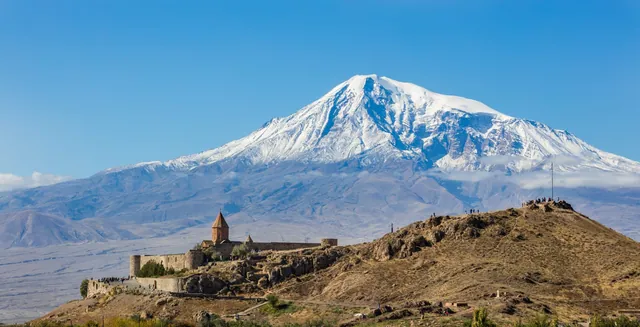
- Khor Virap. In spring the air over the plain is clearer than in summer, and Ararat is more often visible in full. Go in the morning.
- Tsaghkadzor in early March. The snow still holds up top, and the sun already feels like spring. By the end of March the lower runs usually start to thaw.
What not to expect in spring: the high mountains. The road to Lake Kari is closed by snow, the passes on the way south can be icy, and in mountain villages some guesthouses haven't opened yet.
May
May is probably the best of the spring months. Everything is green, orchards bloom in the valleys, and daytime temperatures reach +20…+25 °C. Dilijan in May is fresh and damp, and the forest in the national park is fully in leaf.
By late May almost every route is open except the very highest. Mountain weather is still unsettled: sunshine in the morning, a thunderstorm in the afternoon. On a multi-day trip, keep the itinerary flexible and don't pin the high points to a specific date.
Summer: June, July, August
June
June is good for almost everything. Yerevan is warm but not yet exhausting, usually +28…+32 °C. The mountain roads open, the snow melts off Aragats, and the first apricots and cherries show up at the markets.
It's a convenient month for a long road trip: Sevan, Dilijan, then south over the passes to Vayots Dzor. In June the water in Sevan is still too cold for a long swim, but walking along the shore and climbing up to Sevanavank is a pleasure.
July and August
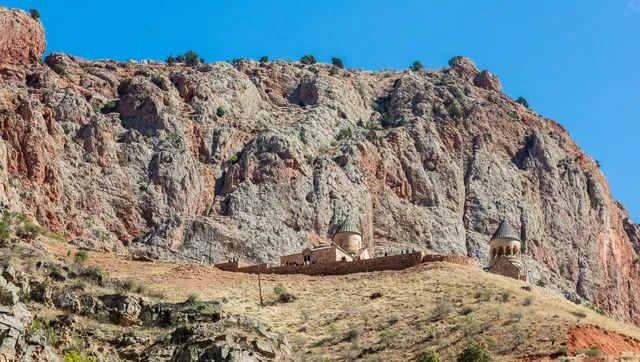
Yerevan is hot: +35 °C in the daytime is normal, some days reach +40 °C, and at night the city cools down slowly. Touring the monasteries of the Ararat Valley at midday is hard going, as there is almost no shade at Khor Virap or Noravank. Visit them early in the morning or towards evening.
This is Sevan season, though. The water warms to about +18…+20 °C, and beach cafés and boat rentals are open. The lake sits high, so even in August the shore is noticeably cooler than the capital, and in the evening you'll be cold without a sweater. At that altitude the sun is harsh, and you can burn in an hour.
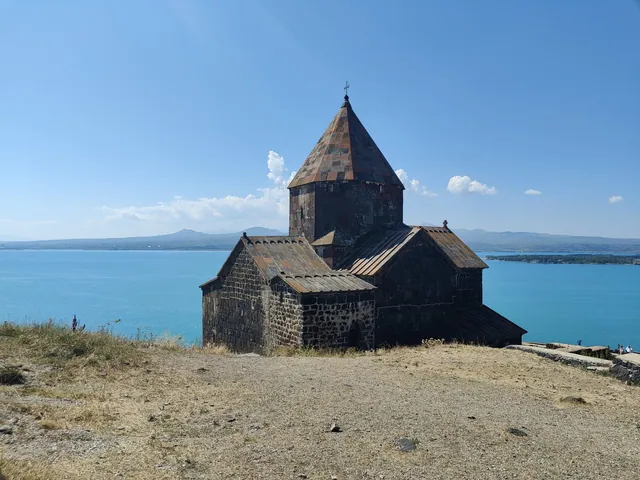
Summer is also a good time to head into the mountains. In July Dilijan, Tsaghkadzor and the slopes of Aragats stay at +22…+27 °C, and many Yerevan residents go there for the weekend. As a result, the highway to Sevan and Dilijan can be busy on Friday evenings, and just as busy in the opposite direction on Sunday evenings.
Summer also brings Vardavar, the festival when everyone in the streets drenches each other with water. The date moves with Easter and most often falls in July, sometimes in late June. If you're in Yerevan that day, keep your phone and documents in a plastic bag.
Autumn: September, October, November
September
September comes closest to the ideal month. The heat eases off, Yerevan is at +25…+30 °C, and the evenings are warm. The mountain roads are still open, and in the first half of the month the water in Sevan can still be fine for swimming.
The grape harvest begins. The Ararat Valley and Vayots Dzor are bringing in their crops, and the markets fill with grapes, figs and pomegranates. The wineries in Areni are happy to receive visitors, but book the larger estates in advance for weekends.
October
In early October Areni usually holds its wine festival, which draws people from Yerevan, so the M2 highway is busy that day. Check the date for the specific year in advance. The valley itself turns yellow and red at this time, and the road from Areni to Noravank monastery runs through a gorge of red cliffs.
October is also Dilijan's month. The forests around the town and along the road to Haghartsin and Goshavank start turning yellow from about mid-month, with peak colour usually in the second half of October. Daytime in Dilijan is +12…+17 °C, the nights are cold, and by the end of the month there can be frosts.
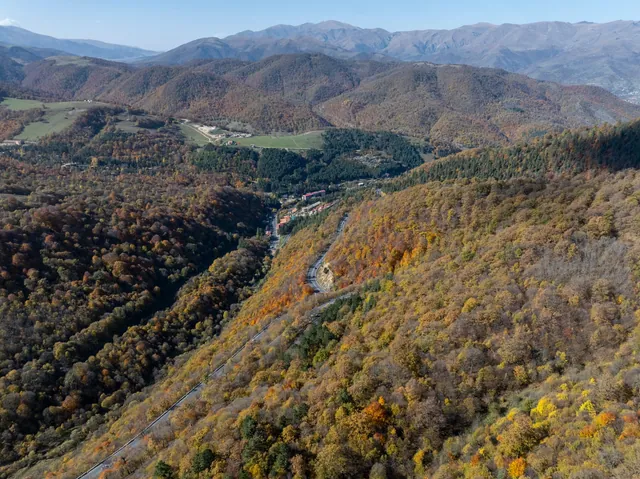
On the high passes the first snow may fall by late October. If you're heading to the south of the country, check the forecast for the specific pass, not for Yerevan.
November
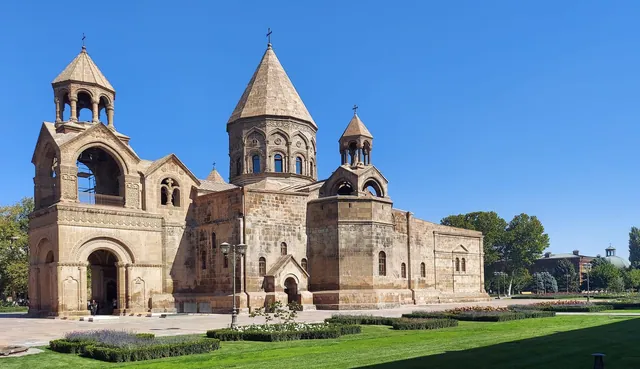
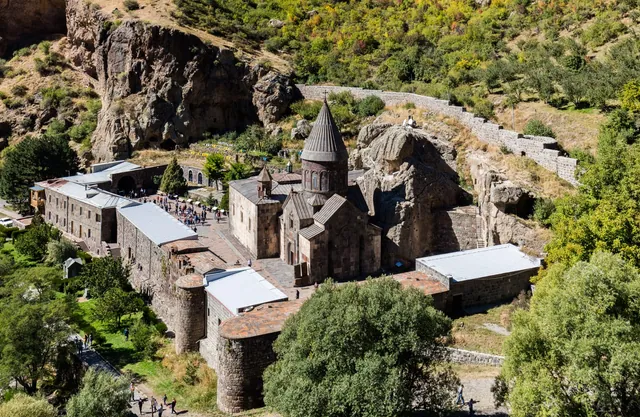
November is quiet and grey. Yerevan is at +8…+14 °C, there are few tourists, and accommodation prices drop. It's a good time for the city, museums and short trips nearby: Garni, Geghard, Echmiadzin. It's already cold in the mountains, and the days are short, with darkness by five in the evening.
Winter: December, January, February
Winter in Yerevan usually hovers around zero, with occasional frosts down to −10 °C and below, and snow that doesn't stay on the ground in the city for long. The Ararat Valley often sits in fog in winter, sometimes until midday.
The main reason to come in winter is Tsaghkadzor. It's about an hour from Yerevan, the resort runs roughly from December to March, and the most consistent snow is in January and February. It gets crowded on holidays and weekends, and is noticeably quieter on weekdays.
To drive into the mountains in winter, you need winter tyres and time to spare. The roads to Tsaghkadzor and Sevan are cleared, but traffic slows down during snowfall. The high road to Lake Kari is closed, and the passes on the highway south can be difficult or temporarily closed in snow and ice, so check their condition on the morning of your trip.
Yerevan in December and January is festive. The city is decorated for New Year, cafés and wine bars stay open late, and on a cold clear day without fog Ararat stands out especially sharply.
Seasons and roads
Armenia's main highways are paved and open all year round. The restrictions apply to the high mountains.
| Destination | Best time to go | What to keep in mind |
|---|---|---|
| Yerevan, Garni, Geghard, Echmiadzin | all year | hot at midday in summer |
| Sevan and Sevanavank | all year, swimming July–August | wind and ice on the shore in winter |
| Dilijan | all year, best May–October | the road over the pass is slower in winter |
| Tsaghkadzor | skiing December–March, walks in summer | traffic jams on the approach during holidays |
| Areni and Noravank | all year, best April–November | daytime heat in the gorge in summer, the M2 pass in winter |
| Aragats, Lake Kari | roughly June–September | snow can lie until late June |
In short
For a first trip, go in late May, June, or September into early October: it's warm, the roads are open, and you can see the monasteries in the middle of the day. People come for Sevan in July and August, and for skiing in Tsaghkadzor in January and February. Wine and the harvest fall in September and October, and Dilijan's best colours in the second half of October.