
Armenia in winter: Yerevan, skiing in Tsaghkadzor and trips on snowy roads
Armenia from December to March: weather in Yerevan, the season in Tsaghkadzor, winter trips to Sevanavank, Dilijan, Garni and Geghard, which roads are closed and how to drive on snow.
Winter in Armenia runs roughly from December to March. Yerevan is cold at this time of year but usually clear, and the mountains around it are white. There are few tourists and accommodation is cheaper than in summer. Part of the high country is out of reach, but the main day trips from the capital work all year round, and an hour's drive away the ski season opens.
Weather in Yerevan in winter
Yerevan lies in a basin, and its winter is dry and continental. Daytime temperatures are usually around zero or a little above, nights are frosty, and in January it often drops to −10 °C or lower. Snow falls a few times a season and doesn't stay long in the city, but on the surrounding hills it lies for weeks.
On clear frosty days you can see Ararat from the city far better than through the summer haze. In still weather smog sometimes hangs over the basin; then it's better to head higher for the views.
The days are short. In December it gets dark around half past five, so start trips out of town early and get back before dark.
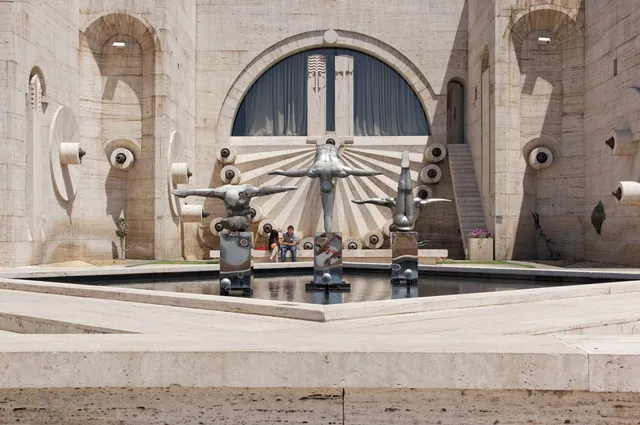
For New Year and Armenian Christmas on 6 January the city is decorated, and a tree stands on Republic Square. In the first days of January some museums and shops work shorter hours.
Skiing in Tsaghkadzor
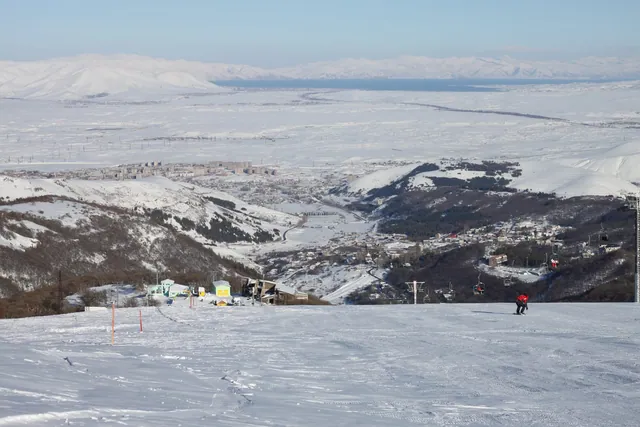
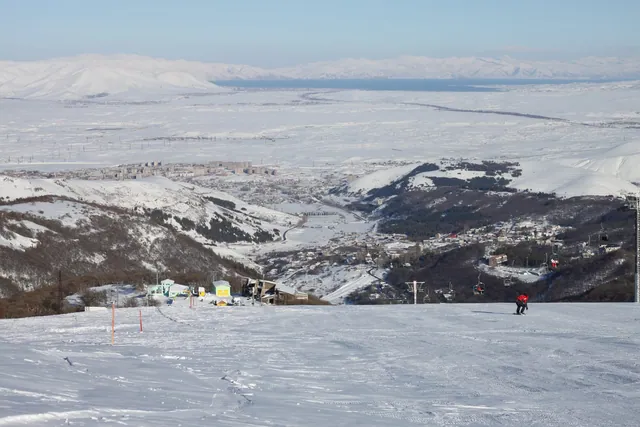
The country's main ski resort, Tsaghkadzor, is about 60 km from Yerevan, roughly an hour's drive. The season usually runs from December to March, and the most reliable snow is in January and February. In December and March it depends on the year.
The resort suits a weekend or a single day on the slopes: several sections of cable car climb Mount Teghenis, and the runs are mostly intermediate. Equipment rental is available at the bottom station and in the hotels in town.
On weekends and holidays, especially the first week of January, half of Yerevan heads up here. If you have a choice, ski on weekdays and arrive when the lift opens; otherwise you'll be queuing and hunting for a parking space.
Day trips from Yerevan
Almost everywhere people go in summer is reachable in winter too. You just need to be more careful on the road.
Sevan and Sevanavank
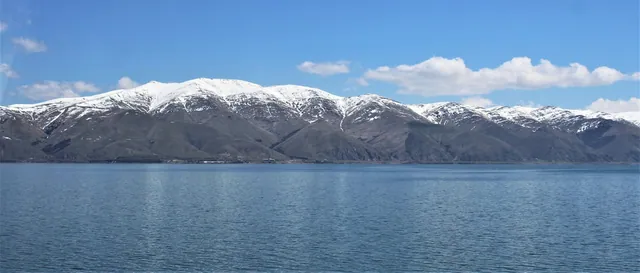
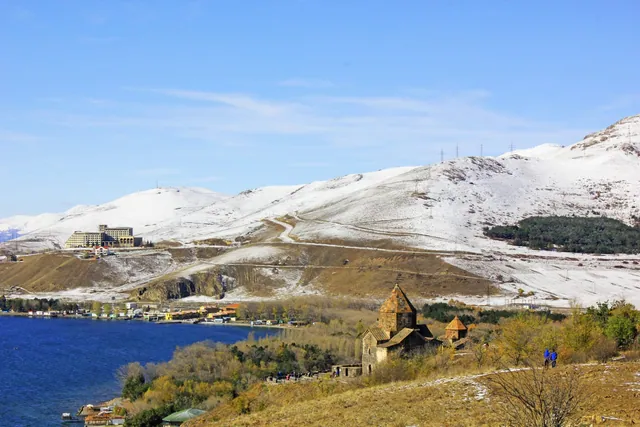
Lake Sevan is about 65 km away on the M4, roughly an hour. In winter Sevanavank stands in the snow on its peninsula above dark, cold water, and there's hardly anyone at the monastery. The wind on the peninsula is strong even on a sunny day, and the stairs up to the churches can be icy. Beaches and seasonal cafés along the shore are mostly closed; some restaurants near the peninsula stay open in winter, but not all.
Dilijan
Dilijan lies beyond Sevan, along the M4 over the Sevan Pass and through the tunnel. In winter this forest town is quiet, there's snow on the slopes, and the old quarter and the monasteries around are empty. The approach roads to Haghartsin and Goshavank are usually passable in winter, but after a snowfall it's best to check locally. The approaches to the tunnel ice up in places, especially in the morning and evening.
Garni and Geghard
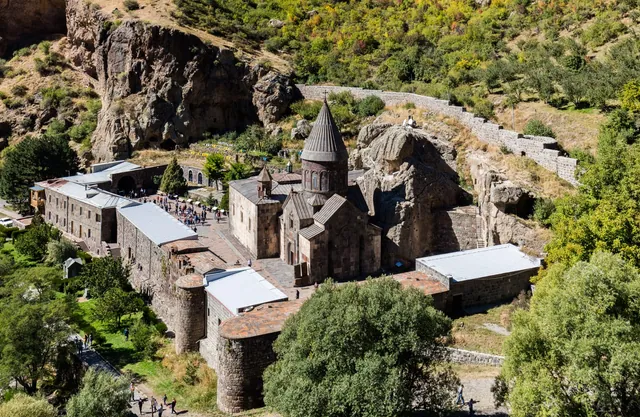
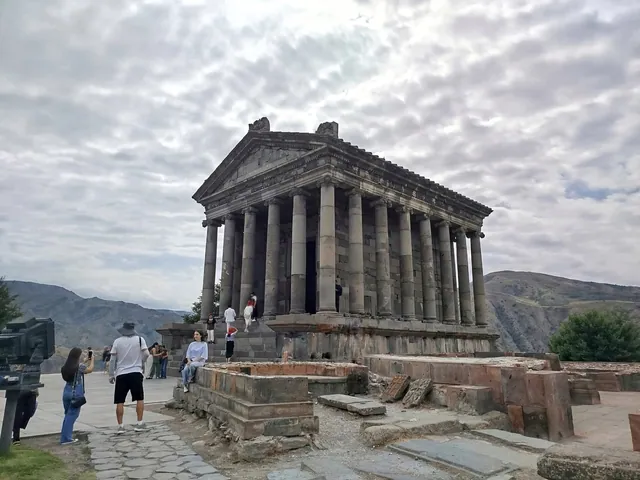
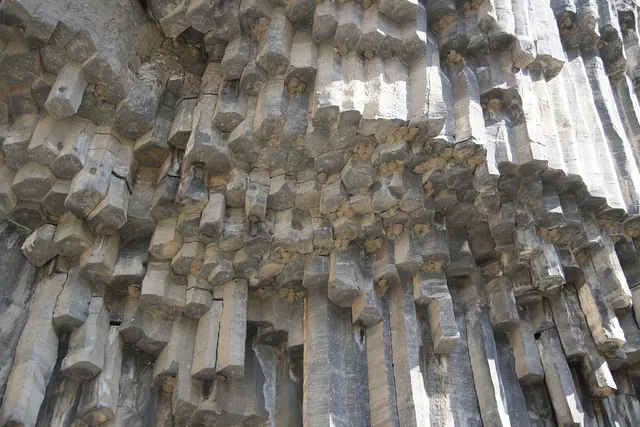
The Garni Temple and Geghard Monastery are 30–40 km from Yerevan and are usually visited together. In winter both can be slippery: at Garni there's ice on the steps and paths to the temple, at Geghard on the cobbles by the entrance and in the shade of the cliffs where the sun never reaches. You need shoes with decent tread, and after a snowfall it's better to postpone the walk down into the gorge to the Symphony of Stones.
Khor Virap
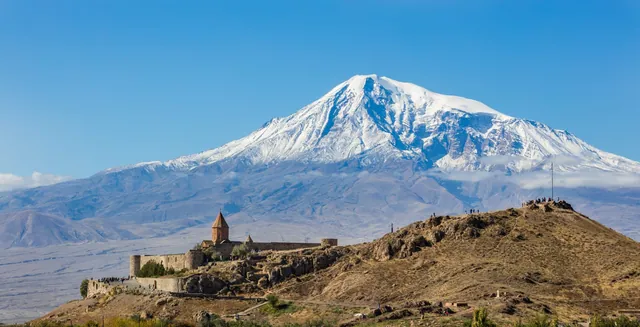
Khor Virap lies in the Ararat valley, where snow is rare and melts quickly. In winter the air is often clear and Ararat stands sharp above the monastery, with no haze. Go in the morning, before the clouds build up.
Where you can't get to in winter
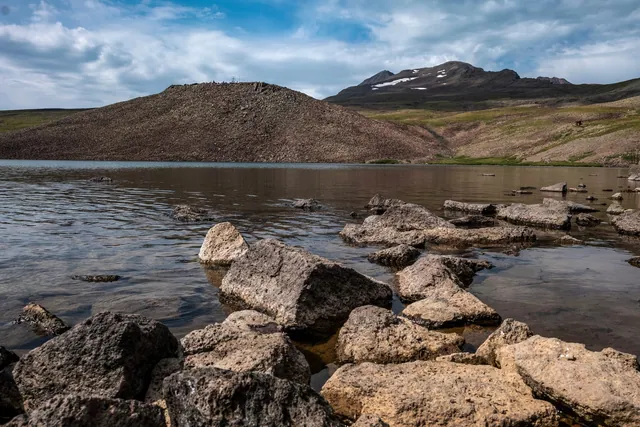
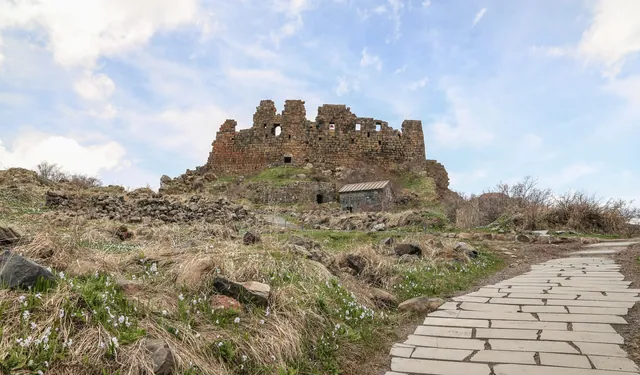
The high roads on Aragats aren't cleared in winter. The road to Lake Kari is usually closed from about October to June, and the road to Amberd Fortress is most often snowed in from November to April. Byurakan lower down is accessible, but you won't get any higher up the slope.
In the south of the country, the hardest sections are where the M2 crosses high passes, above all the Vorotan Pass before Sisian and Goris. The road is cleared, but after a blizzard it can be closed for a while. If you're heading there, keep a spare day in your itinerary.
How to drive in winter
The main roads around Yerevan, the M4 to Sevan and the roads to Tsaghkadzor and Garni are cleared fairly quickly. The trouble starts on minor roads, in villages and in monastery car parks, where ice lies for weeks.
- Tyres. When you book, ask whether the car has winter tyres. For mountain trips this matters more than four-wheel drive.
- Timing. Set off after sunrise and get back before dark. At night wet asphalt on the passes turns to ice.
- Weather. Check the forecast and closure reports on the morning of your trip. A blizzard on the Sevan Pass can close the road for several hours.
- Supplies. Keep water, warm clothes, a charged phone and a full tank in the car. There are filling stations on the main roads, but fewer in the mountains.
For how winter compares with other seasons, see the guide on when to visit Armenia. You can put winter stops together in the route planner or pick them on the places map.
What to bring
- A warm jacket, hat and gloves. In the mountains the wind feels much colder than the thermometer says.
- Shoes with good tread for the ice at monasteries.
- Sunglasses. Snow is dazzling on a clear day, especially at Sevan and in Tsaghkadzor.
- A scarf or shawl to cover your head in church, and clothes that cover the knees.
FAQ
Is it worth going to Armenia in winter? Yes, if you're into skiing, empty monasteries and Yerevan without the heat and crowds. If you're after the high mountains, Aragats and Kari, come in summer.
When is the best snow in Tsaghkadzor? Usually in January and February. December and March depend on the year.
Can you get to Sevan and Dilijan in winter? Yes, the M4 and the tunnel are usually open and cleared. After heavy snowfall the road is sometimes closed for a few hours.
Are Garni and Geghard open in winter? Yes, both are open all year. There can be ice on the steps and paths, so you need shoes with good tread.
Can you get to Lake Kari or Amberd in winter? As a rule, no. The road to Amberd is usually snowed in from about November to April, and the road to Kari is closed even longer, from about October to June.
In short
In winter Yerevan is cold and sunny, Tsaghkadzor has its best snow in January and February, and Sevanavank, Dilijan, Garni, Geghard and Khor Virap all make easy day trips. The high country of Aragats, with Kari and Amberd, is closed until spring. Rent a car with winter tyres, set off after sunrise and get back before dark.