
Bakuriani, Georgia: Driving, Ski Passes, and Seasons
Distance from Tbilisi, current MTA ski pass prices, and what to do in Bakuriani in summer and shoulder season.
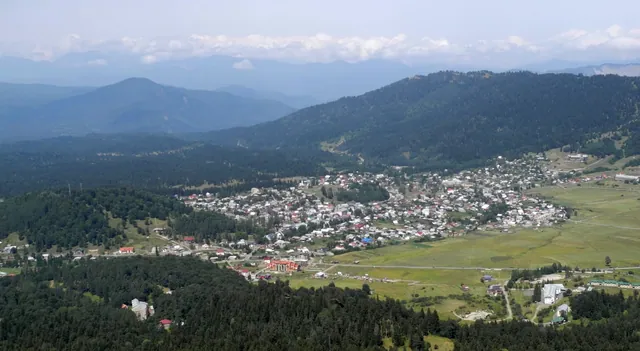
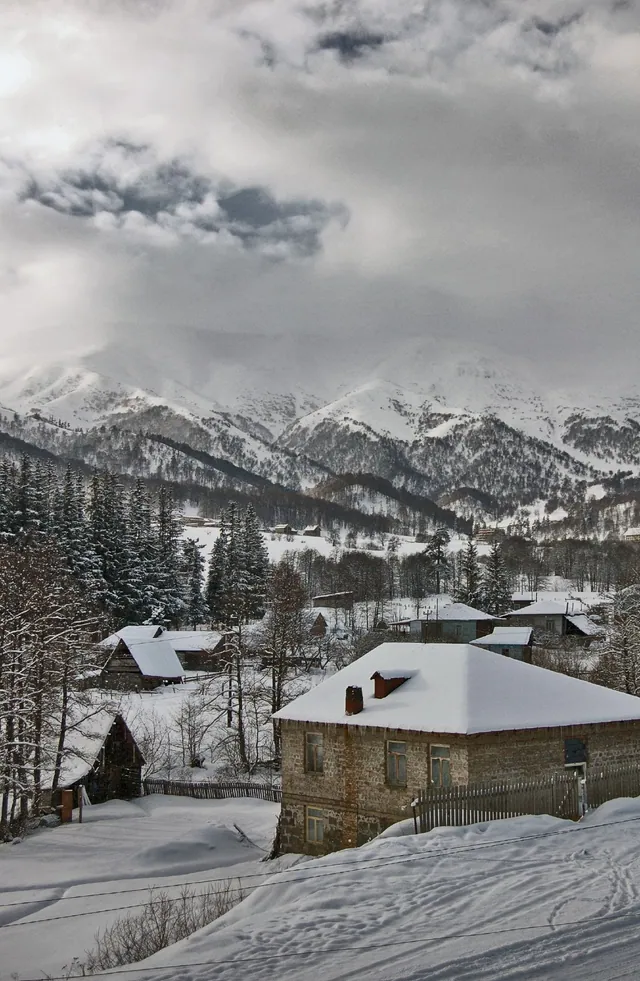
Bakuriani sits at 1,700 meters (5,580 ft) in the Trialeti Range, about 180 km (112 miles) south of Tbilisi. It runs on skiing from December through March, cools down for hiking in summer, and empties out in spring and autumn when the slopes are bare but the pine forest still smells the same. Here's what actually matters if you're planning the trip: getting there, what lift tickets cost right now, and what to do outside ski season.
Getting to Bakuriani from Tbilisi
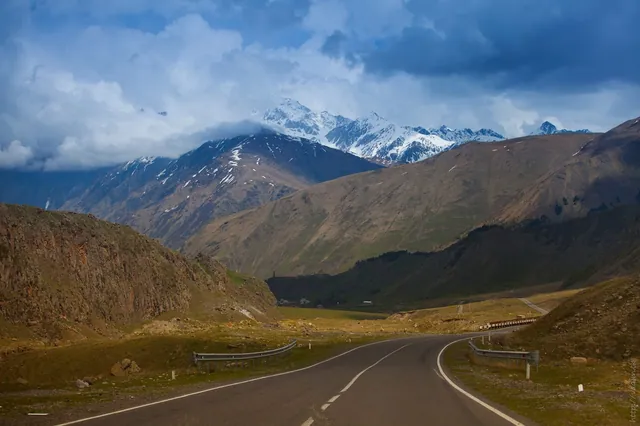
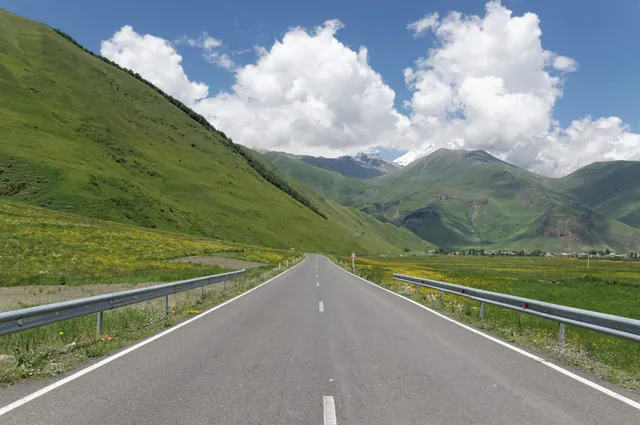
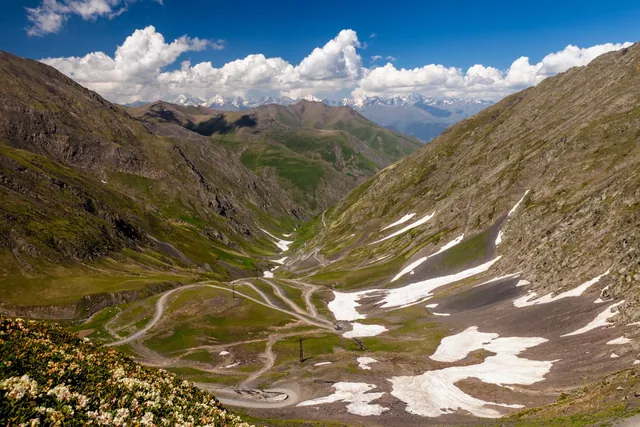
The drive takes 2.5 to 3 hours. About 70% of the route, up to the Khashuri turnoff, runs on a fast highway with a 110 km/h limit and speed cameras. Past Khashuri, the road narrows, and the final stretch from Borjomi to Bakuriani climbs through switchbacks. The asphalt holds up year-round, including winter.
You have three practical ways to cover the distance:
- Marshrutka (shared minivan) from Didube station in Tbilisi. Costs around 20 GEL (about $7) per person, takes 3 to 4 hours with stops. Trunk space is tight, so this isn't the option if you're hauling skis or a snowboard.
- Taxi or private transfer. Faster, no stops along the way, priced per car rather than per seat.
- Rental car. You pick up in Tbilisi or at the airport, stop wherever you want along the highway, and drop the car off in a different city if your route continues through Borjomi or Akhaltsikhe instead of doubling back to the capital.
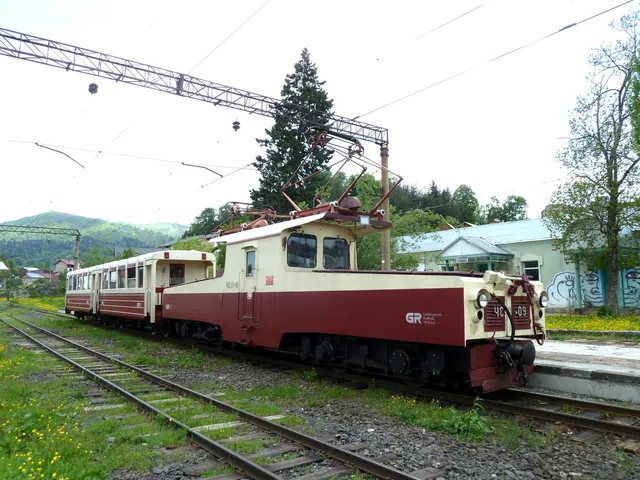
One thing worth knowing before you book train tickets: the historic Borjomi-Bakuriani narrow-gauge railway, the "Cuckoo" line originally engineered with input from Gustave Eiffel's firm in 1901, has been closed since 2020 for track and station reconstruction. Georgian officials have announced plans to reopen it by January 2027, but no confirmed date exists yet. If your itinerary counted on that train, it's off the table for now, which leaves driving, taxi, or marshrutka as your actual options.
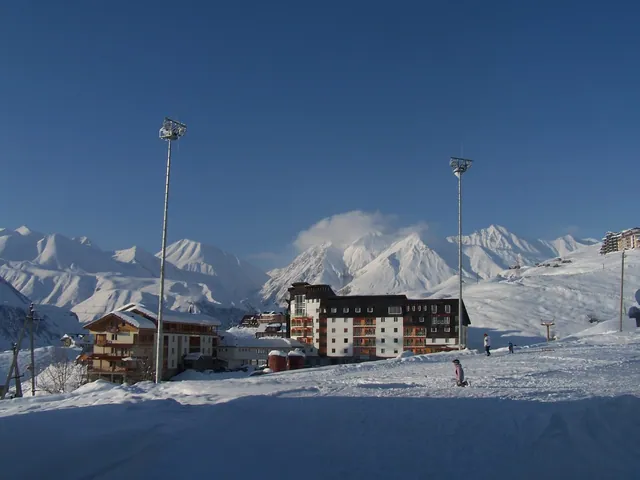
Inside Bakuriani itself, a car helps too. The three ski zones sit 3 to 5 km from the village center, and the village is essentially two main streets lined with hotels, shops, and cafes. Most hotels offer free parking, and you can usually leave a car near the lift stations at no cost, though spots get tight during the New Year holidays.
Ski Pass Prices for the 2025/26 Season
MTA (Mountain Trails Agency), the state company running Bakuriani's lifts, sells one pass that covers all three zones: Didveli, Kokhta, and Mitarbi. Current rates from mta.ski:
- Adult day pass: 55 GEL (about $20). Child pass (ages 6-12): 28 GEL (about $10). Kids under 6 ski free.
- Multicard fee: 5 GEL, one-time, for the rechargeable plastic card. Keep it for future seasons.
- 7-day pass: 296 GEL (about $110), cheaper per day than buying single tickets.
- Season pass: 650 GEL adult (about $240), 325 GEL child.
- Family pass: starts at 135 GEL (about $50) for 2 adults and 2 kids.
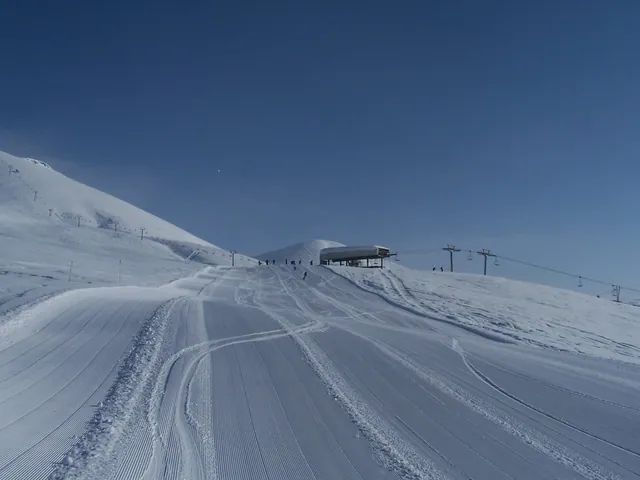
Lifts run daily from 10:00 to 17:00. Didveli adds night skiing until 21:30, but that's only included with a season pass, not a single-day ticket. Ski or snowboard rental on-site runs roughly 30 to 60 GEL a day; an instructor costs 40 to 60 GEL per hour.
Didveli is the highest and most advanced zone, topping out at 2,702 meters, with a modern gondola. Kokhta and Mitarbi are gentler and better suited to beginners and families. The three zones aren't connected by trails, but one ticket covers all of them.
What to Do Off-Season and in Summer
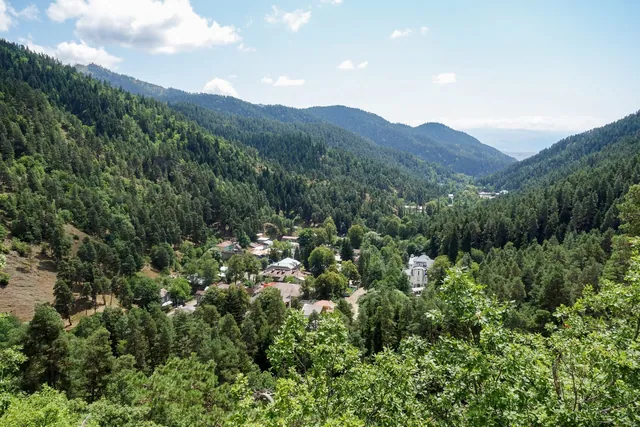
Summer temperatures in Bakuriani sit around 18 to 25°C during the day, noticeably cooler than Tbilisi, and evenings call for a jacket. That's part of why people show up here outside ski season too.
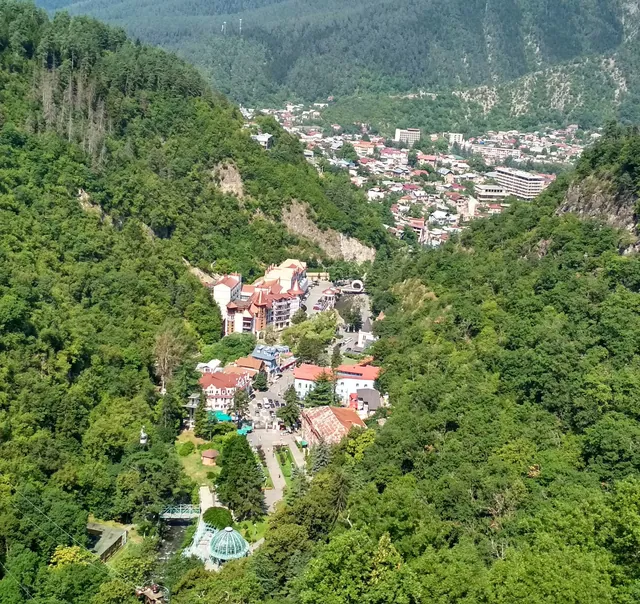
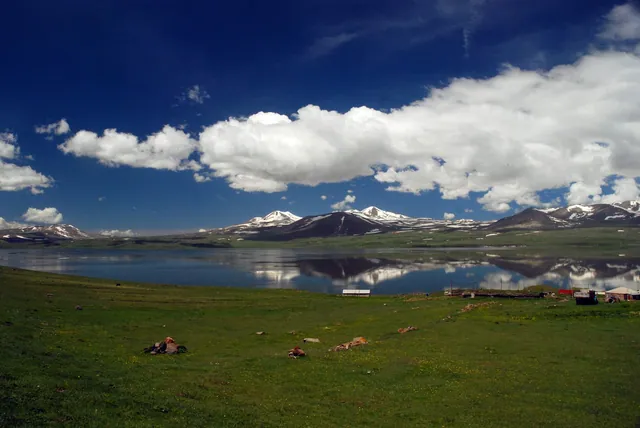
The Didveli gondola runs year-round. In summer, it takes bikes up so riders can descend the dirt road back to the village, and the viewing platform at the top looks out over the valley and the surrounding ridgeline. Hiking trails circle the village at varying lengths, and travelers looking for something more active rent horses or ATVs for the ride out to Lake Tabatskuri, about 30 km away.
For a half-day detour, Timotesubani Monastery dates to the 10th century and sits about 30 minutes from the village. Borjomi, with its mineral springs and a small cable car of its own, is under an hour's drive.
Spring and early autumn are the quiet months. Snow is gone, some lifts shut down for maintenance, and the tourist crowd thins out. This window suits people who want to hike without competing for lift lines, and hotel rates typically drop. The road itself doesn't change with the seasons; the same asphalt route applies year-round.
Worth Knowing
Bakuriani switches character by season more than most Georgian mountain towns: reasonably priced skiing in winter, cool-weather hiking in summer, and near-empty trails in spring and fall. The narrow-gauge train is currently out of service, so getting there comes down to driving, taxi, or marshrutka. A rental car covers the 2.5 to 3-hour trip on your own schedule and makes more sense once you're in the village, where the three ski zones sit a couple of kilometers apart from each other and from the hotels.