
Gori, Georgia: Fortress, Stalin Museum and More
Gori Fortress, the Stalin Museum, and Ateni Sioni church near Tbilisi. Distance, driving time, and how to get to Gori by car.
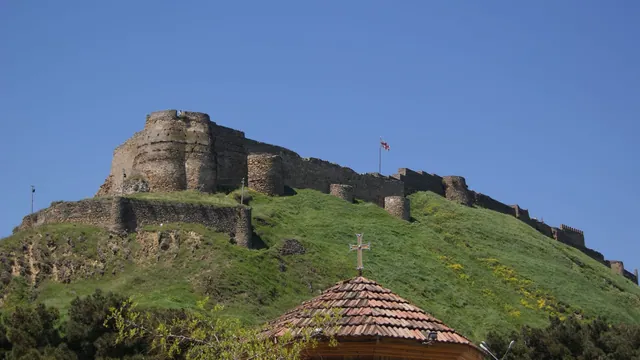
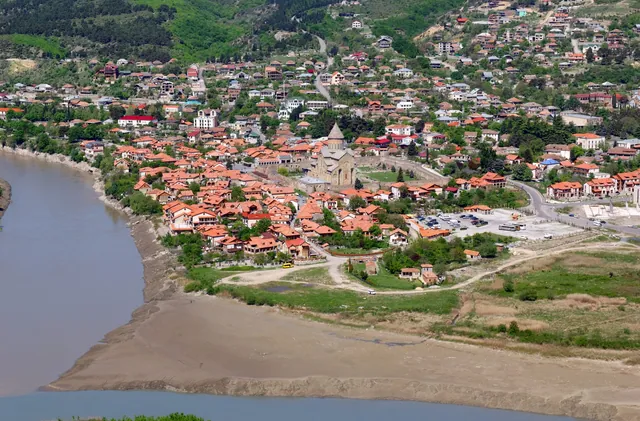
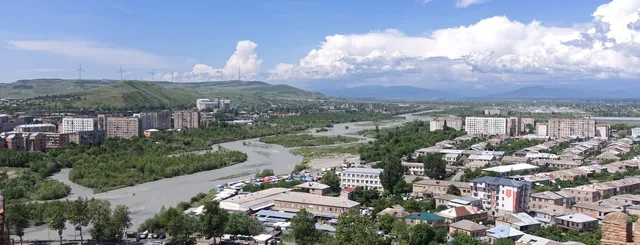
Gori sits where the Kura and Greater Liakhvi rivers meet, 53 miles (85 km) from Tbilisi, about an hour's drive along the highway. It's more than a stop on the way to Kutaisi and Batumi: the town has a clifftop fortress, the Stalin Museum with his private train carriage, and a 7th-century church half an hour outside the center.
Getting to Gori
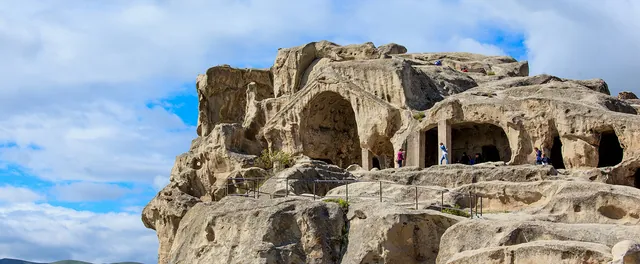
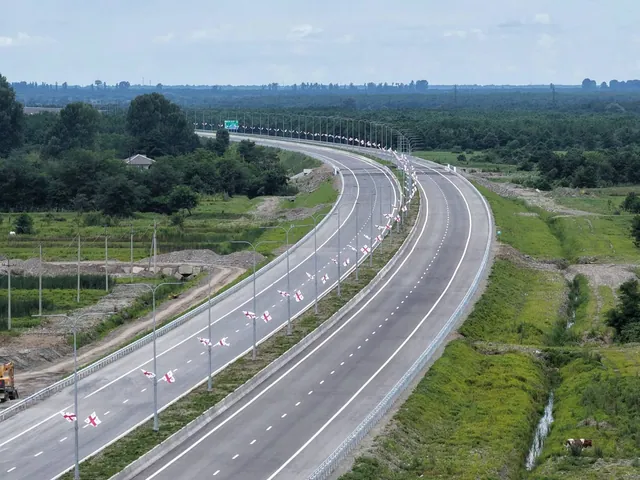
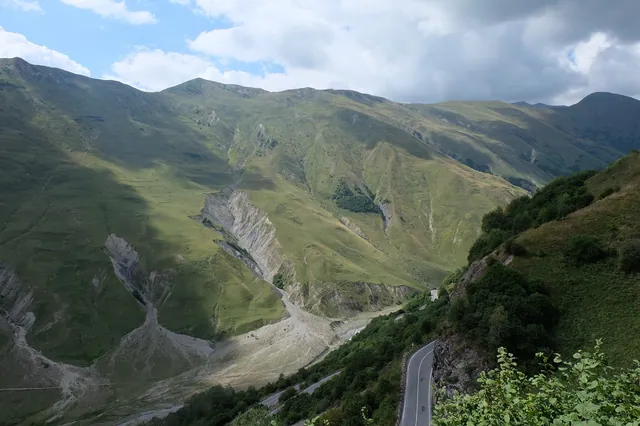
By car, the drive takes 60–75 minutes. The highway runs through Mtskheta and is well paved for almost its whole length, since it's part of the main international road to Kutaisi and Batumi. It's an easy detour to stop in Mtskheta or at the Uplistsikhe cave town, 6 miles (10 km) from Gori.
Getting there without a car works too. Minibuses (marshrutkas) leave Didube bus station every 30 minutes from 8am to 7pm, take about ninety minutes, and cost 8 GEL (around $3). Trains and electric trains run from Tbilisi's central railway station: about an hour on the fast train, closer to two on the electric one. Schedules shift, so it's worth checking railway.ge before you go.
With a rental car, it's easier to build the route around yourself: swing by Uplistsikhe or Ateni Sioni without transfers or waiting on a minibus schedule, then pick a different stop on the way back. For a day trip out of Tbilisi, this is probably the most flexible option, taxis aside, and taxis cost several times more than renting for the day.
Gori Fortress
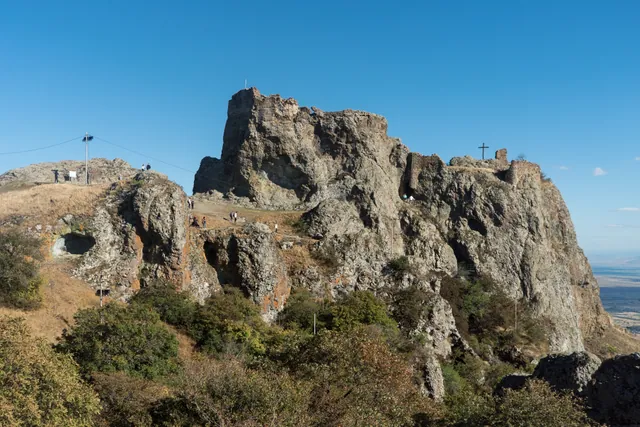
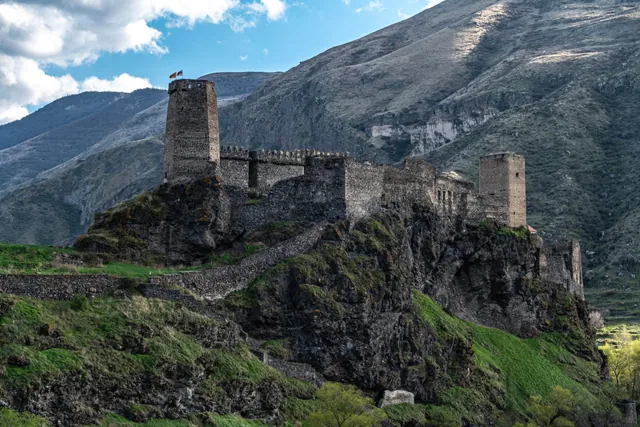
The fortress sits on a rocky hill above town, at the point where the two rivers meet. The first written mention dates to the 13th century, but archaeologists have traced fortifications on the site back to the 5th–4th century BC: the location controlled the route along the Kura between Europe and Asia, and the route down from the north into the South Caucasus along the Liakhvi.
The fortress took heavy damage in the 1920 earthquake, and part of it has never been rebuilt. The walls and the viewpoint at the top survived, though, and from there you can see the whole of Gori, the river, and the Greater Caucasus ridges on the horizon. Admission is free, the gates don't close, and you can go up at any hour.
The Stalin Museum
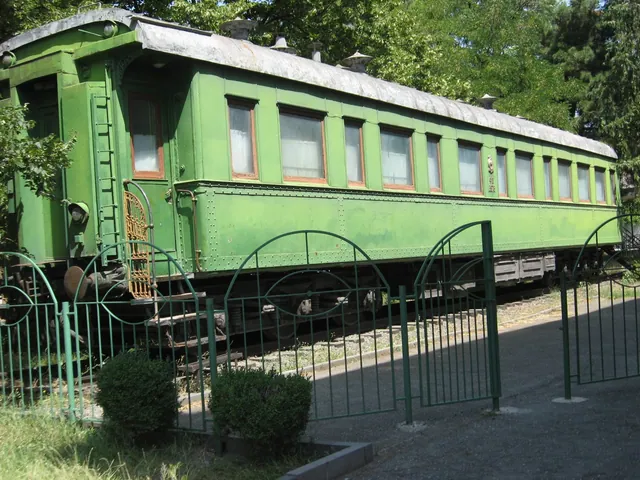
The main reason most visitors come to Gori. The museum is open Tuesday through Sunday, 10am to 6pm, closed Mondays. The complex has three parts: the main exhibition building, the small wooden house where Stalin spent his first years, and his armored railway carriage, which carried him to the Yalta and Tehran conferences.
Tickets: the full complex with a guide and the carriage costs 15 GEL (about $6), without the carriage it's 10 GEL (about $4), the carriage alone is 5 GEL (about $2), and schoolchildren pay 1 GEL. Tours run in Georgian, Russian, and English, though English groups form less often, so you may need to wait for a guide. Set aside 1.5–2 hours for the visit.
A short walk from the museum, 10–15 minutes toward the fortress, is a small war museum covering the 2008 conflict.
Beyond the town
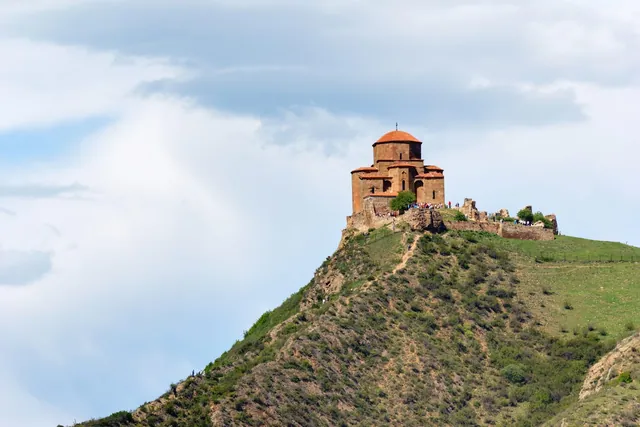
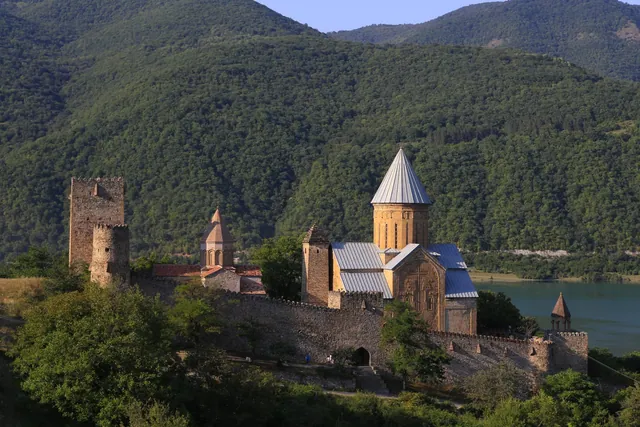
About 6–7.5 miles (10–12 km) south of Gori, in the Ateni gorge, stands the Ateni Sioni church, built in the first half of the 7th century on the same model as Jvari in Mtskheta. Inside are Golden Age frescoes and some of the oldest surviving Georgian stone inscriptions. The site stays quiet even in high season.
Also nearby is Uplistsikhe, an ancient cave city and one of the oldest cult centers of Iberia. If you're planning a day with several stops, it makes sense to combine Gori, Uplistsikhe, and Ateni Sioni into one route.
Worth knowing
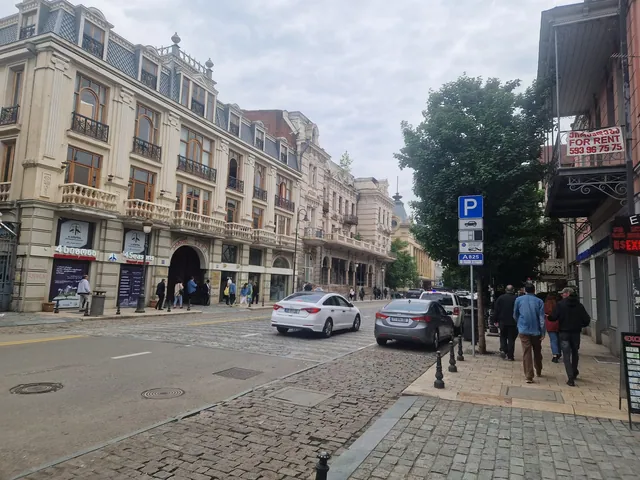
Gori itself, the fortress, the museum, and a walk through the center, takes 3–4 hours. Add the drive from Tbilisi and back, and it fills a full day, especially with Uplistsikhe or Ateni Sioni added on. The fortress is free and open around the clock; the Stalin Museum is closed on Mondays, worth factoring in when you pick your date.