
When to Visit Georgia: Seasons, Weather and Routes
Working out when it is best to visit Georgia: what spring, summer, autumn and winter each do well, which places come into their own in every season, and when the mountain roads are open.
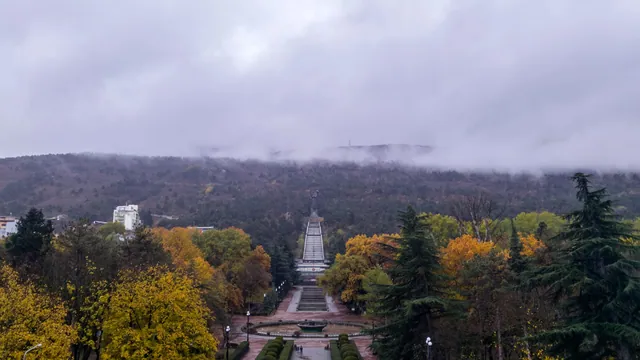
The best time to visit Georgia depends on what you want to see: the sea is warm from mid-June to the end of September, the high-mountain roads are open roughly from June to October, the grapes are pressed in the second half of September, and snow holds on the slopes from mid-December through April. There is no universal month, but September comes closest to a compromise: the sea is still warm, the passes are still open, and the heat has broken. Below is a season-by-season breakdown with specific places, dates and road conditions.
Which month to pick for your trip
A short cheat sheet, if the decision has to be made right now:
- Beach and sea: mid-June to the end of September. The best balance between water temperature and crowds falls in the first half of September.
- Mountain hikes and high-altitude roads: July, August and the first half of September.
- Wine and rtveli: the second half of September and the first half of October.
- Skiing: mid-December to March, with the most reliable snow in January and February.
- Semi-desert in bloom, canyons, waterfalls at full flow: April and May.
- Autumn colour: mid- and late October, especially in Racha and the Borjomi gorge.
- Cities without tourists and cheap accommodation: November to March.
From Tbilisi to Batumi is 370 kilometres, and that distance comfortably covers two different climates. In July the capital can sit at a dry +36, Batumi the same day is +29 with humidity close to 90%, and Gudauri, only two hours from Tbilisi, is +14 and windy. In Georgia it makes sense to plan the weather around the points on your route, not around the country as a whole.
Spring: March to May
Spring climbs from the bottom up. Apricots are already in flower down in the valleys while a metre of snow still lies at two thousand metres, and there can be less than two hours of driving between those two points. That is why a spring route is easier to build along the valleys than up into the mountains.
March
In Tbilisi it is +10 to +15 in the daytime and around zero at night. The almond blossom comes first, then the apricot, and the city smells of wet earth and smoke from the tone bread ovens. There are almost no tourists.
What works in March:
- Kakheti. Sighnaghi, Bodbe Monastery, the wineries around Telavi and Kvareli. In March there are no queues at the wineries, the tasting is often led by the owner himself, and nobody is in a hurry.
- Mtskheta, Jvari, Uplistsikhe, Gori. Dry, bright, and the open sites are not baking.
- Tbilisi. The sulphur baths, the Botanical Garden after rain, the cable car up to Narikala, the museums.
- Ski resorts. In March Gudauri and Bakuriani offer an excellent combination: the snow is still holding and the sun is already a spring one.
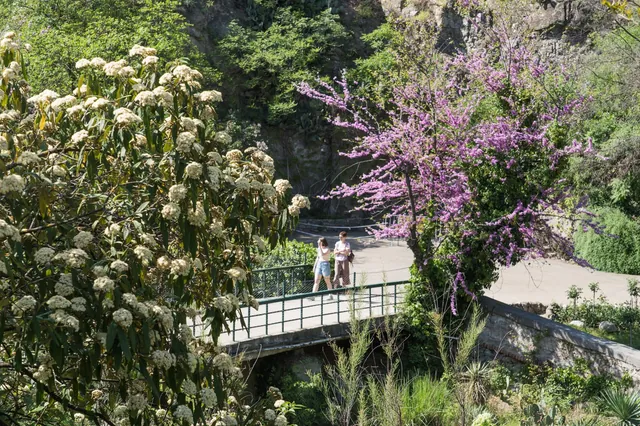
What March will not give you: the high mountains, in any form. The passes are closed, the dirt roads are washed out, and the guesthouses up there have not opened. The multi-day trails in Lagodekhi and Borjomi-Kharagauli are still under snow as well, and only the short lower routes are working.
March weather changes fast, especially in the west. In Adjara it rains almost constantly, in Imereti every other day, and in Kakheti it is noticeably drier. A week-ahead forecast is close to useless in March, so it is easier to keep the route flexible: two or three base towns and day trips out of them depending on the weather.
Batumi in March is empty and wet, the sea is cold, but the boulevard, the botanical garden at Green Cape and Gonio fortress are open, and accommodation costs a fraction of summer prices. If the trip combines a city with nature, March gives a good ratio of price to impressions — just without the swimming.
April
April is probably the most underrated month of the year. Everything is green, the rivers are full, the waterfalls are working at maximum, and the heat has not arrived yet.
Where to go:
- Birtvisi. A rock labyrinth with fortress ruins in Kvemo Kartli, about 50 kilometres from Tbilisi. The trail from the village of Tbisi runs for around 3.5 kilometres, and the final climb up to the tower needs hands as well as feet. In April it is green and cool up there; in summer those rocks are hard work.
- Dashbashi Canyon. About 90 kilometres from Tbilisi: cascading waterfalls, volcanic walls and a glass bridge with a diamond-shaped restaurant. In spring the canyon carries the most water of the year. Entry is paid and, by Georgian standards, expensive — around 80 GEL for foreigners.
- David Gareja. The Lavra of David is open and accessible, while the upper trail along the Udabno ridge with its frescoes has been closed for several years now over a border question. The status changes from time to time, so it is worth checking before you go.
- The canyons of Imereti. Martvili, Okatse, Kinchkha waterfall, Prometheus Cave. April has the most water, and the boats through Martvili Canyon run on high water.
- Kutaisi and around. Gelati, Motsameta, Sataplia, the abandoned sanatoriums of Tskaltubo.
- Samtskhe-Javakheti. Vardzia and Rabati fortress in Akhaltsikhe are pleasanter in spring than in summer: both are open stone sites that turn into ovens by midday in July.
- Lagodekhi. The Ninoskhevi waterfall and the Black Rock run at full flow in spring. The long routes up to Lake Chereti are still closed by snow, but the day trails are working.
- The Katskhi Pillar and Chiatura. Imeretian industrial classics: the pillar on the road from Kutaisi, the old cable cars in Chiatura itself. In spring it is green there and there are almost no cars.
I first walked into Birtvisi in April, the day after rain. There are clay descents between the rocks, and wet they turn into a slide: I did half the trail sideways, hanging on to bushes. You need shoes with a proper tread there, and after rain the hike is better pushed back by a day.
About Easter. Orthodox Easter falls in April or early May. On Good Friday and on Easter Sunday itself some cafés and shops are closed, and on Easter Monday the whole country drives out to the cemeteries to visit relatives. The roads into Kakheti are far busier than usual that day, so allow extra time.
May
May splits in two. The first half is mild, +20 to +25 in Tbilisi, gardens in blossom, green everywhere. Real warmth arrives in the second half, and daytime Kakheti is already pushing thirty.
What opens up:
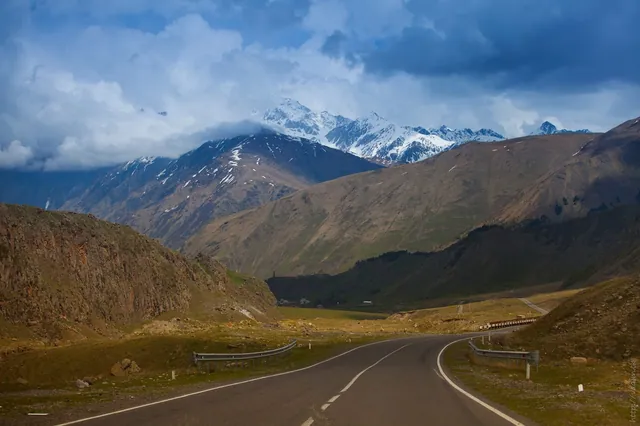
- Kazbegi (Stepantsminda). The Georgian Military Highway works all year round, but by May the winter slush at the top is gone. From Stepantsminda up to Gergeti Trinity Church it is six kilometres of broken dirt road uphill. Nobody drives it in a passenger car: you take a local 4x4 from the bottom, roughly 50–100 GEL per vehicle there and back, with the price depending on the season and on how many people want to go.
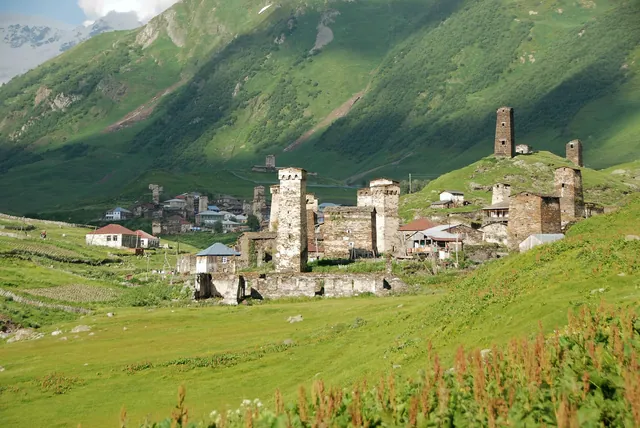
- Svaneti. The road from Zugdidi to Mestia is paved and takes about four hours. In May it is green at the bottom and snowy up top: the Chalaadi glacier is accessible, while the trails above 2,200 metres are still under snow.
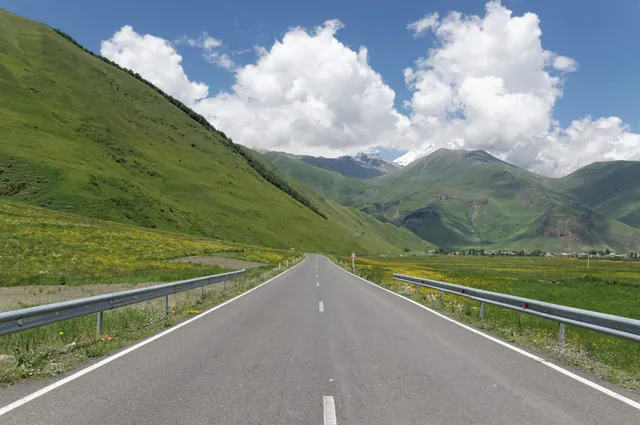
- The Georgian Military Highway end to end. The Zhinvali reservoir is turquoise in May, Ananuri fortress stands right at the water, then Pasanauri with its khinkali, Gudauri with the Friendship of Nations arch, and the Gveleti waterfall beyond Stepantsminda. The road makes a full day route in its own right, as long as you do not race straight through to Kazbegi.
- Borjomi-Kharagauli National Park and Lagodekhi. The short routes open; the long multi-day ones are still closed.
- Tbilisi. The last month when you can walk the city all day without a break to sit out the heat.
What May still does not have: Bakhmaro, Shatili, high-altitude lakes such as Abudelauri. Passes above two and a half thousand metres are only opened in June. The ski season in Gudauri most often ends in April, so skiing in May is not something to count on.
Summer: June to August
In summer the country spreads out by altitude. It is hot at the bottom and good up top, and almost the whole point of a summer route is climbing at the right moment. Ready-made summer driving destinations are easy to check against the pass calendar below.
June
June feels like the best month of summer. Almost everything in the mountains is open, and the main crowds will not arrive for another month.
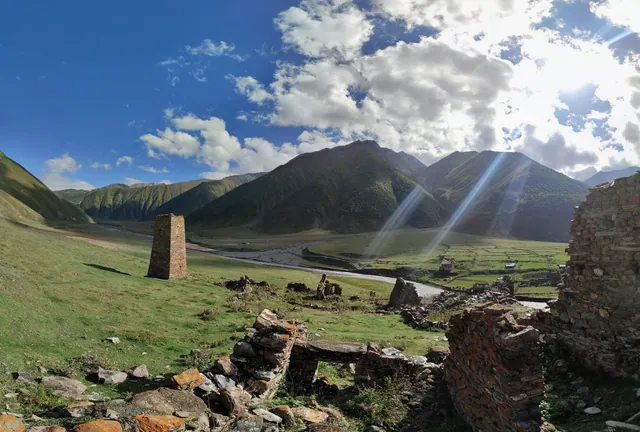
- Alpine meadows flower in June and the first half of July: around Kazbegi, in the Truso Valley, in Juta, on the slopes around Mestia. One important caveat about Juta: rental cars are not allowed in there under the contract, the road from the village of Sno runs over stony dirt, and locals drive people up in Delicas.
- Borjomi-Kharagauli park opens its long routes. The multi-day trek to Marelisi with shelters along the way runs from roughly June; before that the upper part is under snow.
- The sea warms to about +22 by the end of the month. People start swimming in the second half of June, when the water is still bracing.
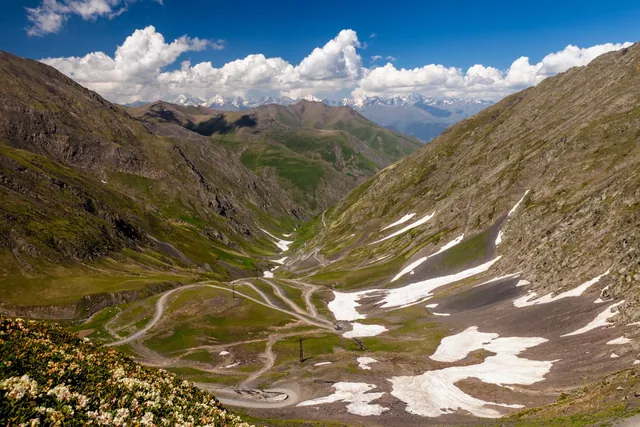
- Khevsureti opens at the same time. The road to Shatili turns off the Georgian Military Highway at the Zhinvali reservoir and goes over the Datvisjvari Pass, the Bear Cross, at 2,676 metres. The pass is snowed in until the beginning of June, and the locals come down with the first snow in October. The road is unpaved and needs a 4x4, and the conditions on it are worth discussing separately with the rental company before you book.
- Martvili, Okatse and Mtirala are not yet packed with tour buses in June.
June is also convenient because it stays light until nearly nine in the evening. A daytime drive and an evening walk fit comfortably into one day. In July the same route has to be broken up, because the middle of the day gets eaten by the heat.
July
July is when the real heat starts. In Tbilisi it is +33 to +38 in the daytime, sometimes more in Kakheti, and the asphalt gives off heat until midnight. It makes sense to see the cities before eleven in the morning and after six in the evening, and to give the middle of the day to drives with the air conditioning on.
In July and August I leave Tbilisi before seven in the morning. Not for the light: by ten there is already a solid line of tourist minivans at the Friendship of Nations arch on the Georgian Military Highway and a queue for the viewing platform. At seven it is empty, cool, and you can see the valley without haze.
Where to go in July:
- Kazbegi and the Truso Valley. By July it is dry here, the trail to the Gergeti glacier is open along its full length, and Stepantsminda itself is around ten degrees cooler than Tbilisi.
- Svaneti. The classic trek from Mestia to Ushguli takes four days. If you would rather not walk, local jeeps run from Mestia: 47 kilometres, an hour and a half. The road has been repaired and paved, but rental cars are still not allowed on it, and the companies see the route by GPS.
- Bakhmaro and Gomis Mta. High-altitude summer settlements in Guria, where locals go to breathe. The road is unpaved and the season runs roughly from June to September.
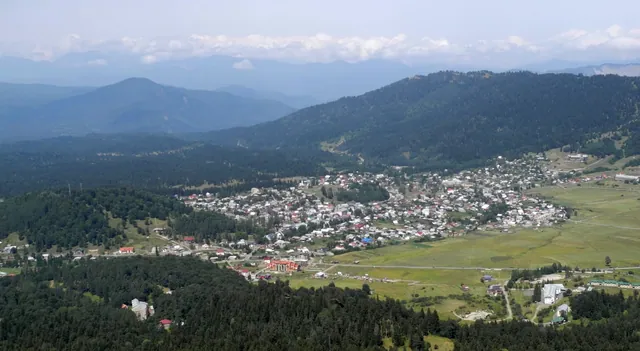
- Abastumani, Borjomi, Bakuriani. The simplest way to escape the heat: two or three hours from Tbilisi and ten degrees cooler.
- The Adjaran mountains. Machakhela, Mtirala, Queen Tamar's bridge, the Makhuntseti waterfall. Mtirala counts as the rainiest place in the country, and you need a raincoat there even in July.
- The Javakheti lakes. Paravani, Tabatskuri, Madatapa. Nearly two thousand metres up, with wind, birds and almost no infrastructure.
The sea holds +24 to +25 in July.
August
August brings the most people to Georgia, and it is also the most expensive month. Accommodation in Batumi, rental cars and guesthouses in Svaneti get booked in advance, sometimes two or three months ahead.
- The sea. +25 to +26, the peak of the season. The beaches in Batumi are pebble and the water is clear. It is cleaner towards Kvariati and Sarpi than in the middle of the city. Ureki has black magnetic sand and a shallow bottom, which is why people go there with children. Kobuleti and Shekvetili are calmer and cheaper than Batumi.
- The mountains. The best month for long hikes: the Koruldi lakes above Mestia, Chaukhi, the Abudelauri lakes, the trail to the Gergeti glacier.
- Kakheti. +35 to +38; the wineries are working, but nobody walks the streets of Sighnaghi in the daytime.
- The canyons of Imereti at peak load. At Martvili and Okatse there are queues in the middle of the day for the boats and for the hanging trail. It makes sense to arrive at opening, around ten in the morning, or right before closing.
About the drive to the coast. The Tbilisi–Batumi road works at its limit in August: lorries, overtaking, roadworks on some stretches. 370 kilometres looks like five hours on the navigation app, but on an August weekend it comes out at six and a half in practice, and that is without stops. It is easier to set off on a weekday and early in the morning, and to plan lunch in Khashuri or Kutaisi, not before.
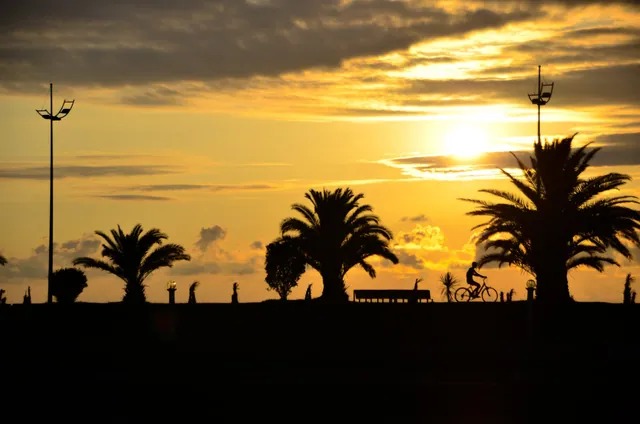
A separate word on thunderstorms. In August the mountains get regular downpours, dirt roads turn to porridge within an hour, and rivers rise while you watch. If the forecast promises heavy rain, a trip into a mountain gorge is better pushed back a day. That goes for any gorge, not only the ones that make the news.
Autumn: September to November
September
If you had to pick one month for the whole country, it would be September. The sea holds +24 to +25 to the end of the month, Tbilisi is around +27 in the daytime, and the mountain air is clear with the first yellow coming through. The passes are still open, the summer crowds have gone, and prices are sliding down.
- Kakheti and rtveli. The grape harvest starts in the second half of September and stretches over several weeks. There are no fixed dates: the hotter the summer, the earlier it begins. A breakdown of the estates is in the guide to the wineries of Kakheti.
- Svaneti and Kazbegi. The best visibility of the year. Kazbek comes out of the clouds more often in September than in July.
- Batumi. The velvet season: warm water, humidity that is finally bearable, a promenade with room on it.
- Vardzia, Rabati, Abastumani. September removes the main problem with these places, which is open stone under the sun.
- Mountain villages without a booking. In Mestia, Ushguli and Stepantsminda everything is still working in September, but a room can realistically be found on the spot. In July and August that does not happen.
The only downside to September is that everybody knows about it. Accommodation in Batumi and Sighnaghi for the first two weeks goes almost as fast as in August, and rental cars for September start disappearing as early as July.
The first time I came for rtveli I simply turned up, assuming somebody would let me join in. Nobody did: in those days families have their own vineyards and their own relatives, and outsiders are not invited. The next year I wrote to a guesthouse near Kvareli back in July, and they put me to treading grapes with half the village. You arrange it in summer, not on arrival.
October
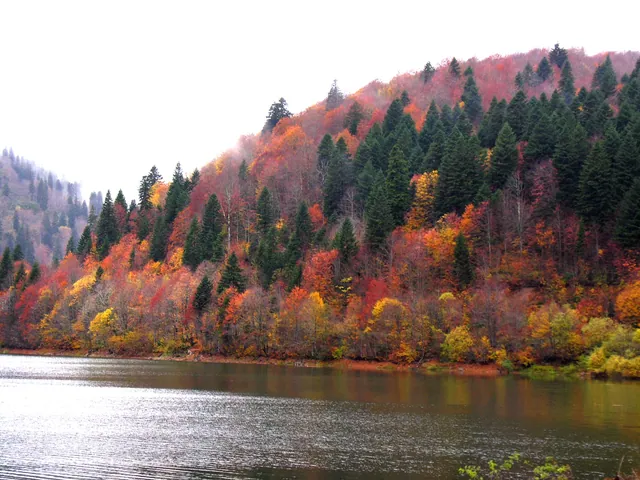
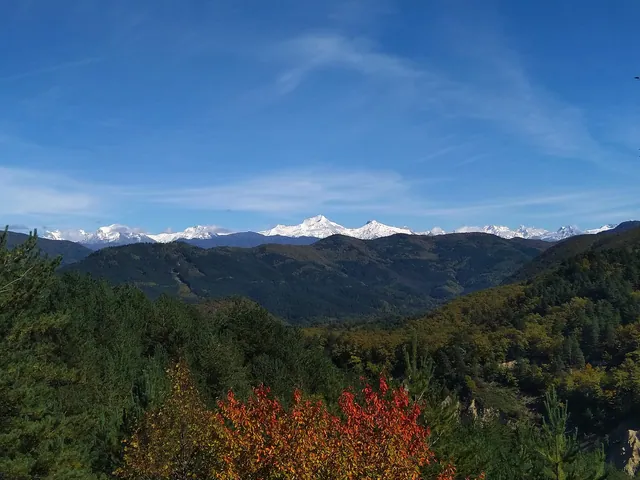
October is worth planning for the colour. The leaves turn from the middle of the month, and it is most striking in Racha and in the Borjomi gorge.
- Racha. Ambrolauri, the Nikortsminda church, Lake Shaori, the home of Khvanchkara. From Kutaisi the drive is about three hours. In autumn the slopes turn rust-coloured, the roads are empty and there are almost no tourist cars.
- Tbilisoba. The city festival is usually held on the first weekend of October: grape presses right on the streets of the Old Town, a fair, concerts. City hall announces the exact date closer to the event.
- Rtveli in western Georgia runs later than in Kakheti. In Racha and Lechkhumi it falls in mid-October.
- The sea. In the first half of the month the water is around +20 and people still swim, though selectively. Storms start in the second half.
- The high-mountain roads close. Passes above 2,500 metres usually stop being passable by mid-October, and the exact date is set by the first serious snow.
- Lagodekhi. October is the best month for the forests here: the beech slopes turn yellow all at once, the trail to the Ninoskhevi waterfall runs in shade, and the heat no longer wears you out on the climb.
November
November turns out to be an honest month: rainy, short and cheap. It is light until about five in the evening, it is already cold in the mountains, but the cities are empty and accommodation gets noticeably cheaper.
What makes sense in November:
- Tbilisi and Kutaisi. Museums, baths, wine bars, no queues.
- Kakheti. The wineries work all year round, many family marani take visitors by arrangement, and November is the easiest month to arrange it.
- Batumi. An empty boulevard, a stormy sea, half the seasonal cafés closed until spring.
- Mtskheta and Uplistsikhe. They work in any weather, and without the summer buses they look completely different.
I once came to Sighnaghi in November with a list of four places where I planned to eat. One turned out to be open. In the off-season the opening hours in small towns live a life of their own, and it is better to check them by phone than by the venue's card on a map.
Winter: December to February
December
The resorts open from mid-December, with the exact date depending on the snow. In some years the lifts in Gudauri have started at the end of November, but that is not something to build a plan around.
The New Year holidays stand apart. From late December to 8 January Gudauri is packed, prices for accommodation and car rental almost double, and the Georgian Military Highway can be jammed all the way from Mtskheta. If the point is skiing rather than celebrating, it is better to move the trip to the middle of January.
In Tbilisi in December it is +5 to +10, with lights on Rustaveli, a fair on First Republic Square, and rain more often than snow.
January
January and February give the most reliable snow of the year.
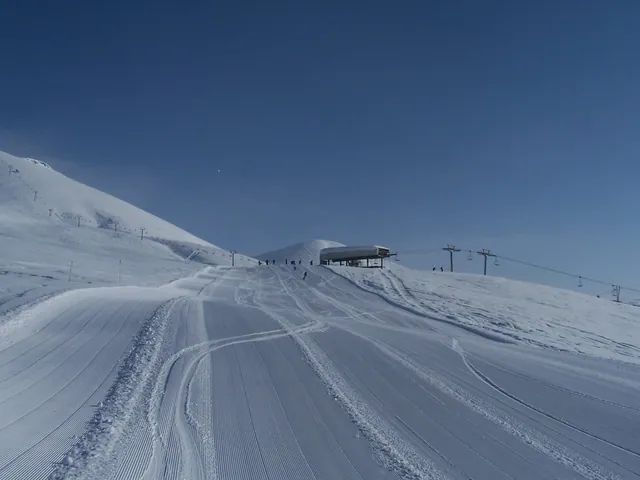
- Gudauri. 120 km from Tbilisi, about two hours along the Georgian Military Highway. The largest resort in the country: wide pistes, plenty of freeride, and heliskiing on offer.
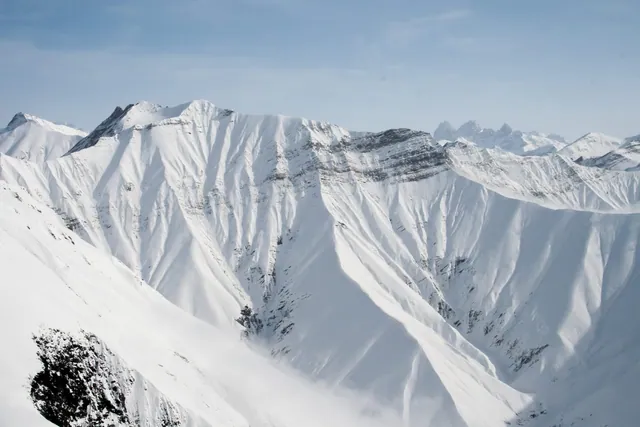
- Bakuriani. 185 km from Tbilisi, gentle slopes, a family format, and artificial snowmaking.
- Goderdzi. 110 km from Batumi, forest pistes, few people. In winter you only get there from the Batumi side: the road from Akhaltsikhe is not cleared.
- Tetnuldi and Hatsvali. Svaneti, and the views people go there for, but there is little infrastructure and everything depends on the weather.
About the Georgian Military Highway in winter. During snowfalls and avalanche danger the section between Kobi and Gudauri is closed: sometimes for a few hours, sometimes for a day or longer. The bypass between Kvesheti and Kobi with its nine-kilometre tunnel is still under construction, and full traffic is not promised before 2027. For now, allow extra time in winter and check the road status before setting off. A short checklist is handy too before heading into the mountains.
One February I was coming down from the Cross Pass in perfect weather: sun, dry asphalt, nothing to suggest trouble. In the shade of a rock on a bend there was a patch of ice you cannot see from a distance at all. Now I take that stretch slowly even on a clear day, especially before noon, until the sun has warmed the road.
Christmas in Georgia is celebrated on 7 January, and in the morning the Alilo procession moves through the centre of Tbilisi.
February
February is the peak of the season on the slopes and the quietest time of year in the cities. Tbilisi in winter is good precisely because you can finally see it: the sulphur baths take you without a queue, there are tables in the wine bars, the museums are empty.
What is available in winter without special equipment:
- Mtskheta, Jvari, Uplistsikhe. Open all year round, with clear roads.
- Kakheti. The wineries are open, and Sighnaghi in winter is almost deserted.
- Borjomi. The park, the mineral springs, the cable car.
- Batumi. An empty city, storms at the breakwaters, cheap hotels with a sea view.
- Heliskiing and freeride. February is the best month for it in Gudauri, but groups are put together in advance and everything depends on the avalanche situation.
On parking in Gudauri: in high season the spaces by the lifts run out by nine in the morning, and the verges are narrow and churned up. Arriving for the first lifts is not only about the snow.
What winter does not have: Khevsureti, Ushguli (the road there is periodically closed because of avalanches), high-mountain hikes and most of the canyons.
What ripens when: food by season
The Georgian table depends heavily on the calendar, and you notice it even over a week's trip. The same café feeds you differently in April and in September.
- April and May. Jonjoli, young greens, pkhali of every kind, fresh sulguni. Chakapuli of young lamb with tarragon is cooked in spring and especially for Easter. Cherries appear towards the end of May.
- June. Cherries, mulberries, the first apricots, and tomatoes that smell of tomatoes.
- July and August. Peaches, figs, watermelons, melons, corn. On the coast this is the time to eat Adjaran khachapuri rather than Imeretian: the local version with egg and butter is simply better here.
- September and October. Grapes, fresh churchkhela made during rtveli itself, while it is still soft inside. Tklapi, nuts, persimmons, pomegranates. In October they pour machari, the young cloudy wine that does not keep long and barely travels beyond its region.
- November, December and January. Adjaran mandarins, picked from November and sold by the crate along the road from Batumi to Kobuleti. Persimmons, pomegranates, churchkhela that has dried out a little, nuts.
Khinkali and khachapuri are around all year, but khinkali make more sense ordered in the mountains and in the cold. In Pasanauri, Gudauri and Stepantsminda they are shaped by hand and served at the moment when they still burn your fingers.
When the mountain roads open in Georgia
Road seasonality upsets plans more often than the weather does. Approximate dates:
- Abano Pass, the road into Tusheti: roughly from the beginning of June to mid-October, later in snowy years.
- Datvisjvari Pass, the road to Shatili and Mutso: roughly from the beginning of June through October.
- Zagari Pass, the road from Ushguli to Lentekhi: roughly June to October.
- The road over Goderdzi between Batumi and Akhaltsikhe: passable end to end in summer; in winter only the Batumi side is cleared.
- The Georgian Military Highway: all year round, with closures of hours or days in winter.
- Bakhmaro: roughly June to September.
- Juta and Truso: from roughly June, with the exact date set by the snow.
There is a separate story here, and it is not about how difficult the road is but about rental terms. The contracts of Georgian rental companies include a list of zones where the car may not be taken at all. That list normally covers Tusheti, Ushguli, Juta and the route over Goderdzi. The ban applies regardless of the class of car: four-wheel drive and high clearance change nothing. The route is tracked by GPS, insurance does not work in those zones, and the fine is issued after the fact. You get there with a local driver, and that is normal practice: the jeeps wait in Mestia, Stepantsminda and Barisakho. The detailed list is in the piece on the zones where you should not take a rental car.
Asking the internet about the dates when the passes open is close to useless. I write directly to a guesthouse in the village nearest the pass: they know a week before anything at all appears online, and they answer on WhatsApp within a couple of hours.
High and low season: how prices change
There are two peaks in the year and they do not coincide geographically. On the coast it is July and August; in the mountains it is the New Year holidays and February. The rest of the time the country becomes noticeably cheaper.
- Accommodation. The same room in Batumi can differ by a factor of two or three between August and November. In Tbilisi the spread is smaller, but even there winter is about a third cheaper than summer.
- Car rental. In summer there are fewer cars and prices are about a third higher. In winter it is the SUVs and the cars with a ski rack that go first, snapped up for the New Year dates.
- Mountain guesthouses. The season there is short, and in July and August rooms in Svaneti and Kazbegi are booked months ahead. In June and September, though, there is almost always something free.
- Flights. Most expensive in August and at the end of December.
The flip side of a cheap off-season is that part of the infrastructure simply does not work. In November and March half the cafés in mountain villages are closed, cable cars may be down for maintenance, and marshrutka timetables are cut back. If you want low prices without the losses, look at June and the second half of September: both are cheaper than the peak, and everything is running.
What to keep in mind when renting a car at different times of year
There is almost no direct public transport between the interesting points in Georgia. From Tbilisi to Sighnaghi is 110 km, to Kazbegi 155 km, to Ambrolauri 250 km, to Batumi 370 km, and almost everywhere the marshrutka involves a change and a timetable that does not match yours. Hence the practical sense of a car: not abstract freedom, but the fact that in a day you get round three places instead of one. A comparison of the options is in the breakdown of how to get around Georgia.
By season:
- Winter. Check that the car is not on summer tyres: on the Georgian Military Highway and on the climb to Bakuriani that is critical. Ask whether there are chains in the boot. A scraper and a brush are useful too, and in winter they are not always included. For the mountain leg people more often take a crossover or four-wheel drive than a saloon.
- Summer. Book in advance: in July and August there are few free cars in Tbilisi and Batumi, and prices are about a third higher. Check the air conditioning when you collect the car, not on the road through Kakheti at +38.
- Shoulder season. In spring and autumn the dirt roads wash out, and what a saloon handles calmly in summer needs clearance in April.
A few things that do not depend on the season:
- Insurance in Georgia is electronic; there is no paper policy in the car and there should not be one. The rental agreement is often digital as well. Save it to your phone offline: in the mountains the signal drops out for long stretches.
- Fill up in the valley. Stepantsminda, Mestia and Ambrolauri have fuel stations, but the choice is small and prices are higher. A reference on the chains and prices is in the petrol station guide.
- Download offline maps. In Truso, on the approach to Shatili and across half of Racha there is no network at all.
- Build in a correction for time. Navigation apps calculate a mountain road at a straight-line speed and almost always underestimate. On switchbacks the real driving time comes out a third longer, and in winter half as long again.
- Cash lari are needed constantly outside the cities: parking at monasteries, the jeep up to the church, a night in a guesthouse, wine from the owner of the cellar.
If you would rather not compare each rental company's terms one by one, a car can be rented on MY.DRIVE: the price on the page is final, with no surcharges at pickup, and the zone restrictions are visible in advance.
In short
It is easier to choose a date for a trip to Georgia not by the month but by the two or three places you definitely want to see, and then to look at what is open at that time. Three things trip people up most often: the mountain passes are still closed in May, the sea in early June is colder than expected, and accommodation and cars for September are taken back in July. If none of those constraints is critical, take the second half of September or June: prices are below the peak, and everything is running.