
How to get around Georgia: taxis, transfers, public transport or a rental car
Georgia's transport options compared: marshrutkas and trains, Bolt taxis, transfers with a driver and car rental. 2026 prices and a breakdown of what works out cheaper.
There are four ways to get around Georgia: public transport (the metro, marshrutkas, trains), taxis through apps, a transfer with a driver, and a rental car. Inside Tbilisi the metro and Bolt are the cheapest of the lot, between the capital and Batumi the train wins, and for mountain destinations and the wineries your own car is easier. Below are summer 2026 prices, journey times and the sums at which each option pays for itself.
Public transport in Georgia: metro, marshrutkas, trains
A ride in Tbilisi costs 1 GEL with a Metromoney transport card and 1.5 GEL if you pay with a bank card. The card itself is sold at metro ticket offices for 2 GEL, transfers within 90 minutes are free, and one card can be tapped through for several people. The metro runs from 6:00 to midnight, has two lines and a single interchange at Station Square. For getting around the centre that is more than enough.
Between the regions the main transport is the marshrutka. Tbilisi sends them out from three points: Mtskheta, Borjomi, Bakuriani and Kazbegi go from Didube; Batumi, Kutaisi and Gori from Ortachala; Kakheti from Samgori and Isani. You buy the ticket from the driver, usually in cash, and seats aren't reserved. To Stepantsminda it works out at 15–20 GEL and 3–3.5 hours on the road.
Marshrutka timetables are notional: the van leaves not by the clock but when the cabin fills up. I once turned up at Didube at nine in the morning for the "first departure" and sat there for forty minutes until enough fellow passengers had gathered. For mountain destinations it's worth setting off in the first half of the day — in the evening there are noticeably fewer departures.
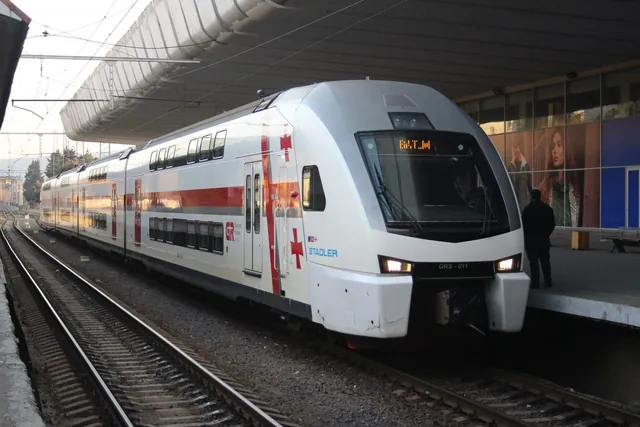
The train remains the most predictable option on the long haul. The double-decker Stadlers between Tbilisi and Batumi take about 5 hours 15 minutes, a second-class ticket costs from 35 GEL, and first class is roughly twice that. In summer the seats go several days ahead, so it's better to buy in advance on the Georgian Railway website. There are also trains to Kutaisi, Poti, Zugdidi and Ozurgeti.
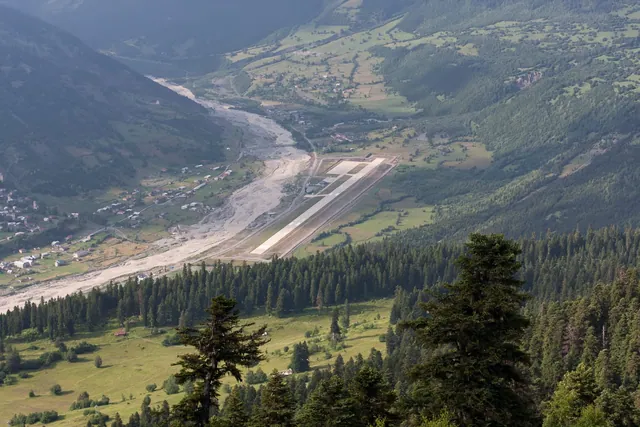
The country has small-plane aviation too. Vanilla Sky flies from Natakhtari airfield outside Tbilisi to Mestia and Ambrolauri, a ticket costs around 90 GEL, and you're in the air for 50–60 minutes. The plane seats 16, baggage is capped at 15 kg, and flights get cancelled for weather on a regular basis. You always need a fallback plan.
The weak spot of public transport isn't comfort, it's geography. David Gareja, Vardzia, the Martvili and Okatse canyons, the Katskhi pillar, half the Kakhetian wineries: scheduled transport doesn't reach some of these at all, and to others it runs once a day and comes back before you've finished looking. A marshrutka makes no provision for stops at viewpoints.
Taxis and apps: Bolt, Yandex Go, Maxim
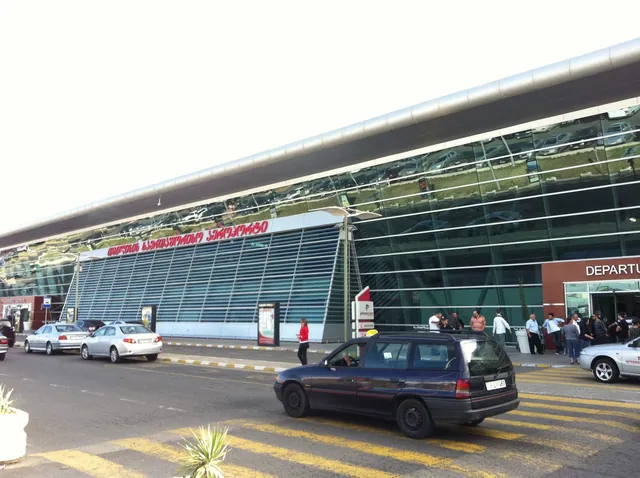
Bolt, Yandex Go and Maxim all work in Georgia; Uber isn't present here. A ride across Tbilisi comes to 5–15 GEL, the trip from the airport into the centre to 30–35 GEL through an app. The drivers who come up to you on the way out of the terminal ask 50–100 GEL for the same route.
The app fixes the price before you get in, there is nothing to haggle over, and you pay by card or in cash as you prefer. The address is easier to send as a pin on the map: not every driver reads street names in Latin script, and the Georgian spelling often differs from the one in your hotel booking.
Between cities taxis get expensive fast. Tbilisi to Batumi is around 250–300 GEL one way, Tbilisi to Kazbegi 60–90 GEL. Split four ways the sum is already comparable to a rental, but with one caveat: the driver takes you point to point, and he isn't obliged to wait at every fortress.
Transfers and a car with a driver: when it makes sense
A transfer differs from a taxi in that the price is fixed for the whole day and the driver waits for you at the stops. A trip to Kazbegi taking in the Zhinvali reservoir, Ananuri and the Friendship Arch costs roughly 250–300 GEL per car, not per person, and takes three or four passengers.
A transfer wins in a few cases:
- tastings in Kakheti: the permitted blood alcohol level behind the wheel in Georgia is zero
- the first day with suitcases, when you need to get from the airport to the hotel without changing transport
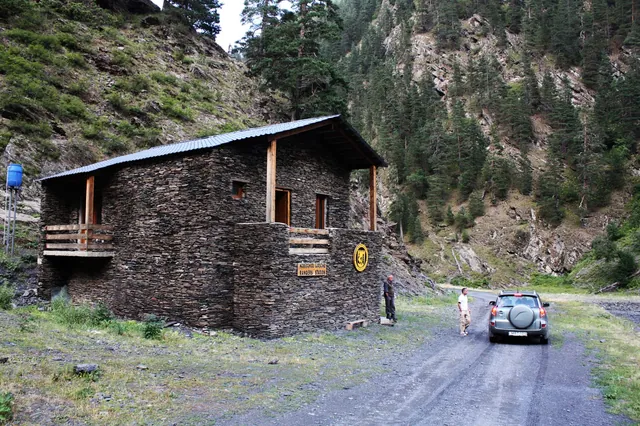
- Tusheti, Ushguli, Vashlovani and other places a rental car is barred from by contract
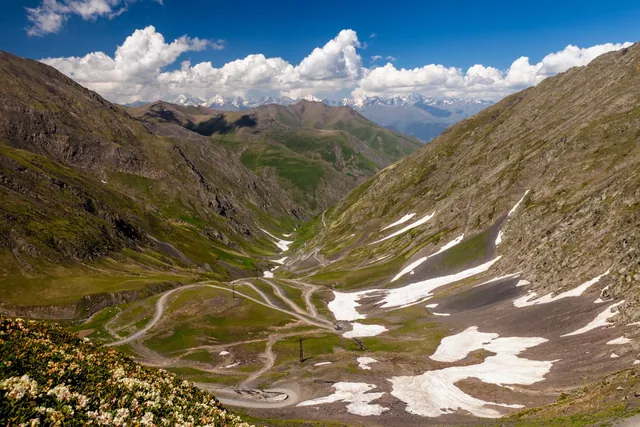
- winter mountain roads, if you have no experience of switchbacks in snow
There's one drawback. Over a week of active travel, transfers work out two to three times more expensive than a rental, and the route has to be agreed in advance.
Car rental: what it costs and what to bear in mind
An economy car costs roughly 60–80 GEL a day out of season, and closer to 100–120 in July and August. A crossover starts at 130–160 GEL. Petrol at 95 octane costs about 3.7–3.8 GEL a litre, diesel more. The drive to Batumi eats something like 30 litres, which is about 110 GEL one way. Which class of car to take for a particular route is covered separately in the journal; so are rental price benchmarks.
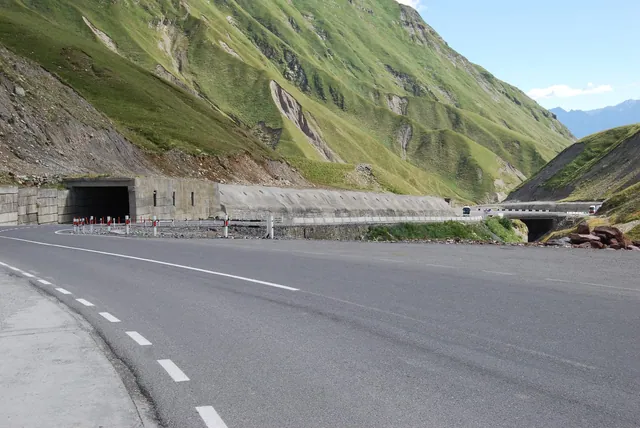
The roads have got noticeably easier over the past few years. At the end of December 2025 the final section of the motorway over the Rikoti pass opened: 52 km of four-lane highway, 51 tunnels and 97 bridges bypassing every settlement, Zestafoni included. The Tbilisi–Batumi drive now takes about 4.5–5 hours instead of the six-plus it used to.
What's worth keeping in mind before you set off:
- insurance in Georgia is electronic, there'll be no paper policy in the glovebox, and the rental agreement is best saved offline: in the mountains the signal drops out
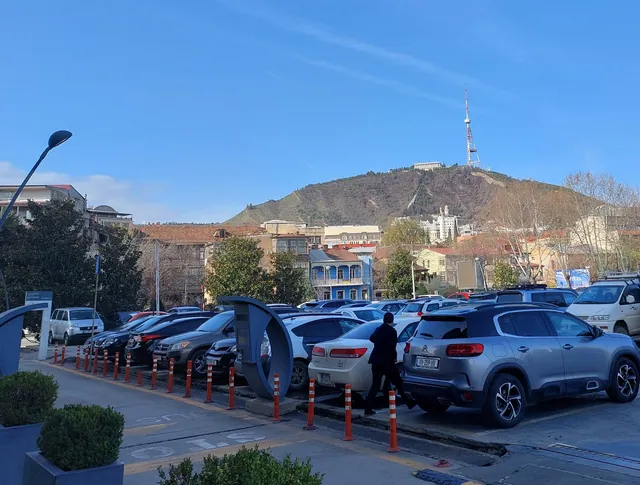
- parking in central Tbilisi costs 1 GEL an hour, the first 15 minutes are free, you pay through an app, and the fine for not paying is 50 GEL
- cash comes in handy at village filling stations and cafés along the highway, since there isn't a card terminal everywhere
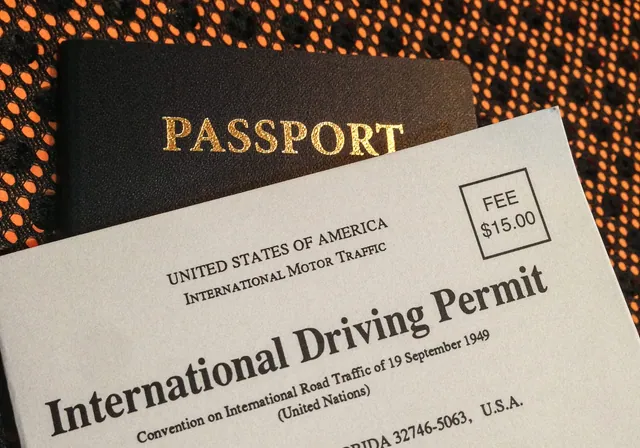
- an international driving permit isn't required, your national licence is enough
I picked up my parking fine in my second week of living in Tbilisi: I left the car in a quiet lane below Mtatsminda, and the plate with the zone number was hanging on the next pole along, behind a tree. Now I look at the sign before I get out of the car.
You can book a specific car in advance and collect it at Tbilisi, Kutaisi or Batumi airport through MY.DRIVE; the price in the booking is final and doesn't change at handover. In summer the automatics go two or three weeks ahead, crossovers especially.
Where a rental car won't be allowed
Rental companies close off some destinations by contract: Tusheti, Ushguli, Juta, Vashlovani and the Goderdzi pass. The ban doesn't depend on the class of car — an SUV isn't allowed there either — and leaving the permitted zone voids the insurance. Abkhazia and South Ossetia are closed at all times.
The list differs from company to company, so you check it in the contract before booking. People reach places like these in a jeep with a local driver: in Omalo and Ushguli that's a separate service, taken on the spot or ordered in advance. A note on Goderdzi specifically: in winter the pass is only accessible from the Batumi side, and the road from the Akhaltsikhe side isn't cleared.
What's cheaper: the sums for two and for four
Tbilisi–Batumi and back, three days by the sea, two adults:
- train: 35 GEL × 2 people × 2 directions = 140 GEL plus taxis to the stations
- an economy rental for three days: around 240 GEL plus 220 GEL of petrol both ways = roughly 460 GEL
For a couple heading specifically to the sea, with no plans to drive around Adjara, the train is three times cheaper. For four the picture changes: the tickets now come to 280 GEL, the rental stays at the same 460, and the difference is closed by a single trip to Martvili or Kobuleti that would otherwise have meant taking a taxi.
A day in Kakheti is simpler to work out. A transfer with a driver costs 250–300 GEL per car; a day's rental with fuel comes in at 150–200 GEL. The difference is small, and it disappears altogether if a tasting is on the programme.
How to choose for your own route
- Tbilisi only, 3–4 days. The metro, buses and Bolt. A car will just stand in a paid space collecting fines.
- Tbilisi plus day trips (Mtskheta, Uplistsikhe, Gori, Kakheti). A two- or three-day rental beats taxis from the second outing onwards.
- Tbilisi and Batumi with no stops. The train, if there are two of you. Tickets a few days ahead.
- Tbilisi and Batumi with stops (Uplistsikhe, Borjomi, Katskhi, Martvili, Okatse). A car — the drive will take a full day instead of five hours.
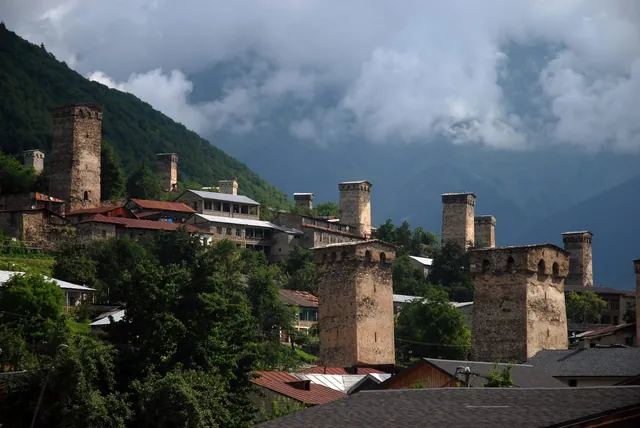
- Svaneti. A flight to Mestia or your own car as far as the asphalt goes, and on to Ushguli with a local driver.
- Tusheti and Vashlovani. A jeep with a driver only, there are no other options.
- Kakheti with tastings. A transfer for the day.
- With small children. A car or a transfer; ask for the child seat in advance when booking.
What matters most
In the city a car in Georgia is more of a hindrance; beyond it, it almost always wins. The train remains the cheapest way to reach the sea, taxi apps cover the short distances, and a transfer solves the question where a rental car isn't allowed — or where you can't be behind the wheel at all. It's easier to count not by the number of days but by the number of points on your route: the more stops there are between the cities, the sooner a rental starts to pay off.